National Parks
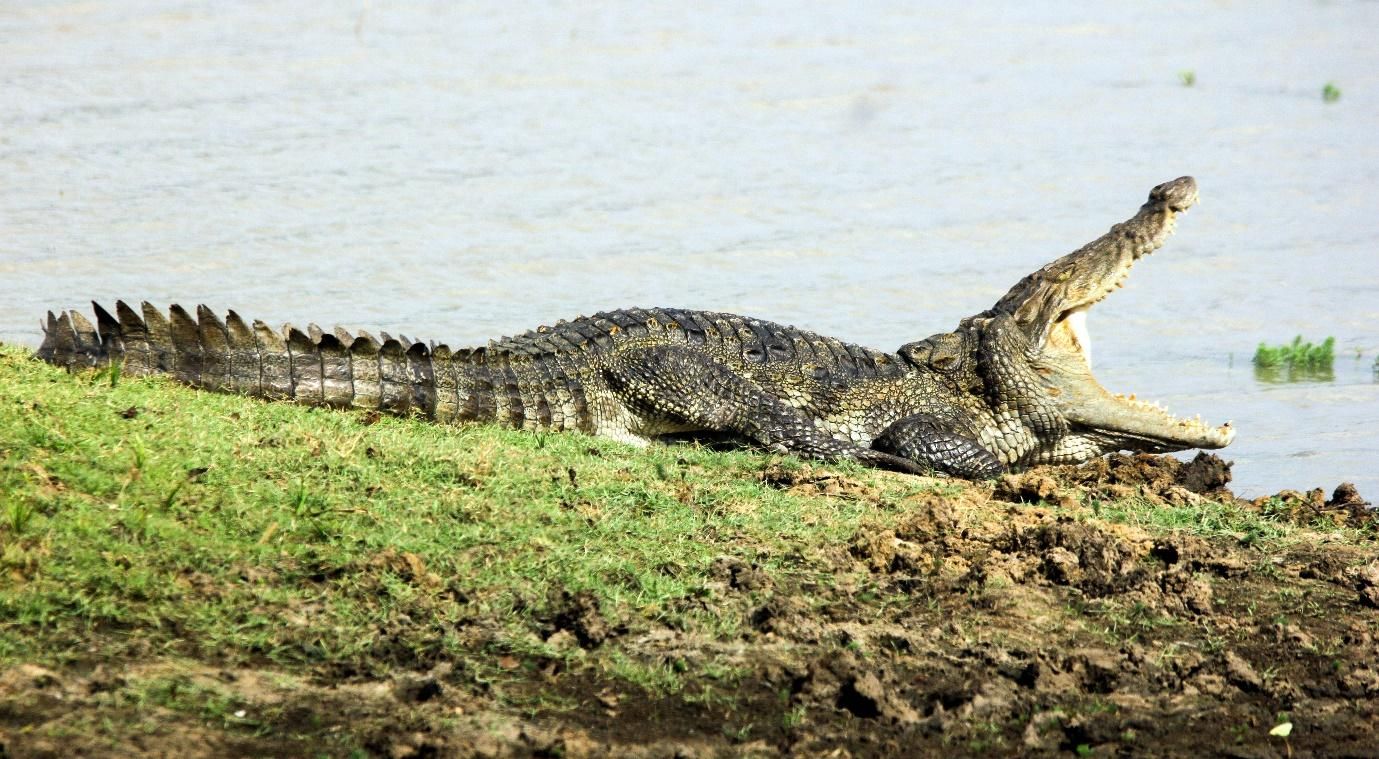
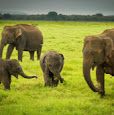
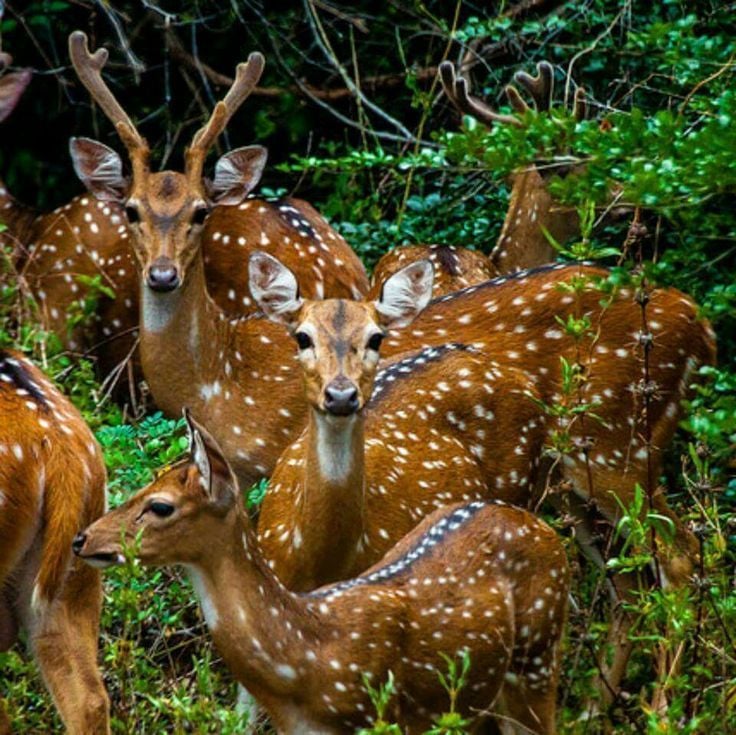


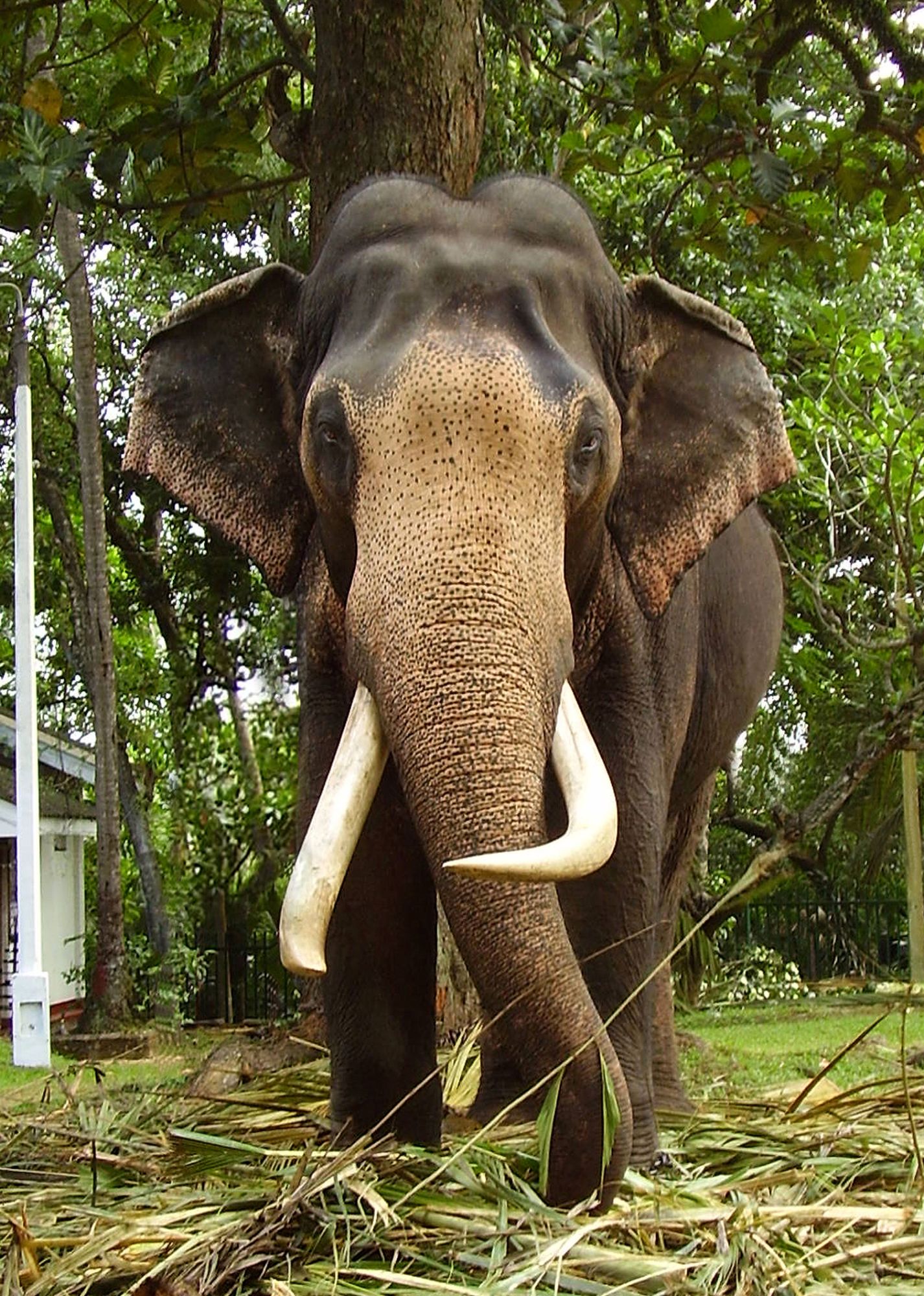
Yala is all about convergence of magnificence and endurance, painting a picture of eternal beauty and mystery. It’s a vast deciduous forest where the land gives up its green top, exposing vast expanses of open terrain dotted with grasslands and shrubs, tanks and lagoons, water holes and sand dunes.
Religious Places
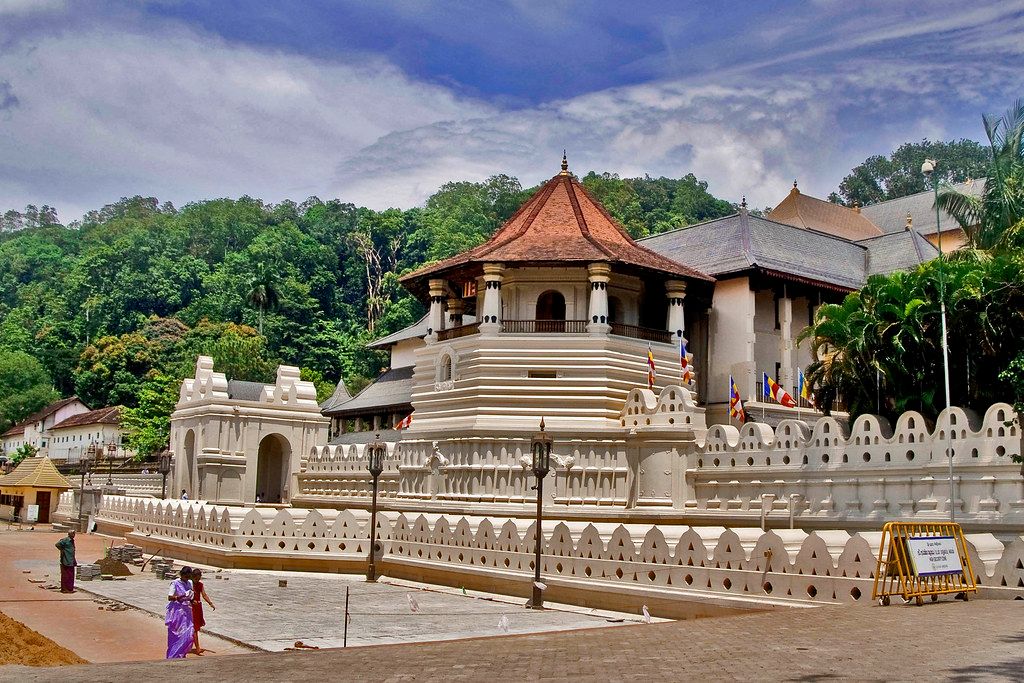
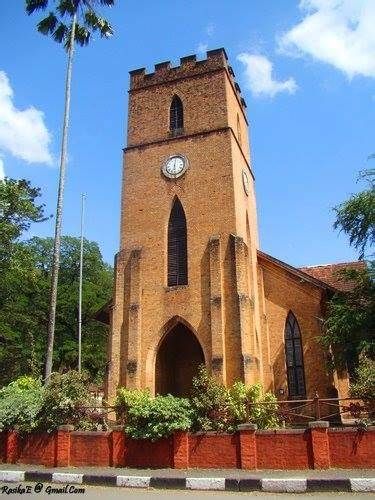
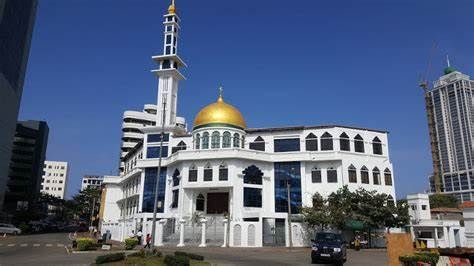
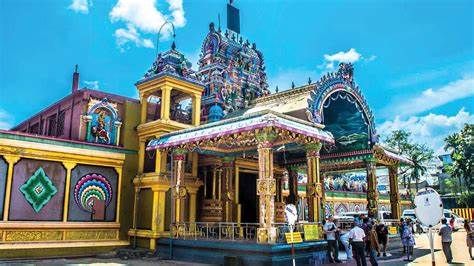
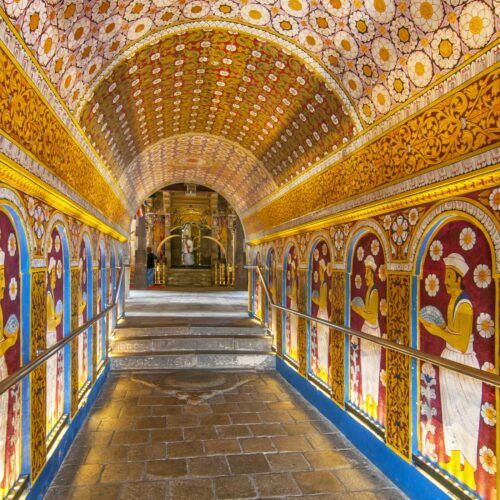


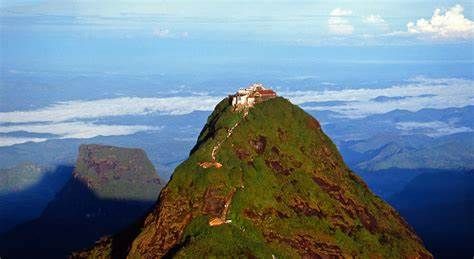
Sri Lanka is officially a Buddhist country, while Sri Lankans practice a variety of religions. As of the 2012 census, 70.2% of Sri Lankans were Buddhists, 12.6% were Hindus, 9.7% were Muslims (mainly Sunni), 7.4% were Christians (mostly Catholics). Buddhism is declared as the State religion of Sri Lanka and has been given special privileges in the Sri Lankan constitution
Hotels and Beaches
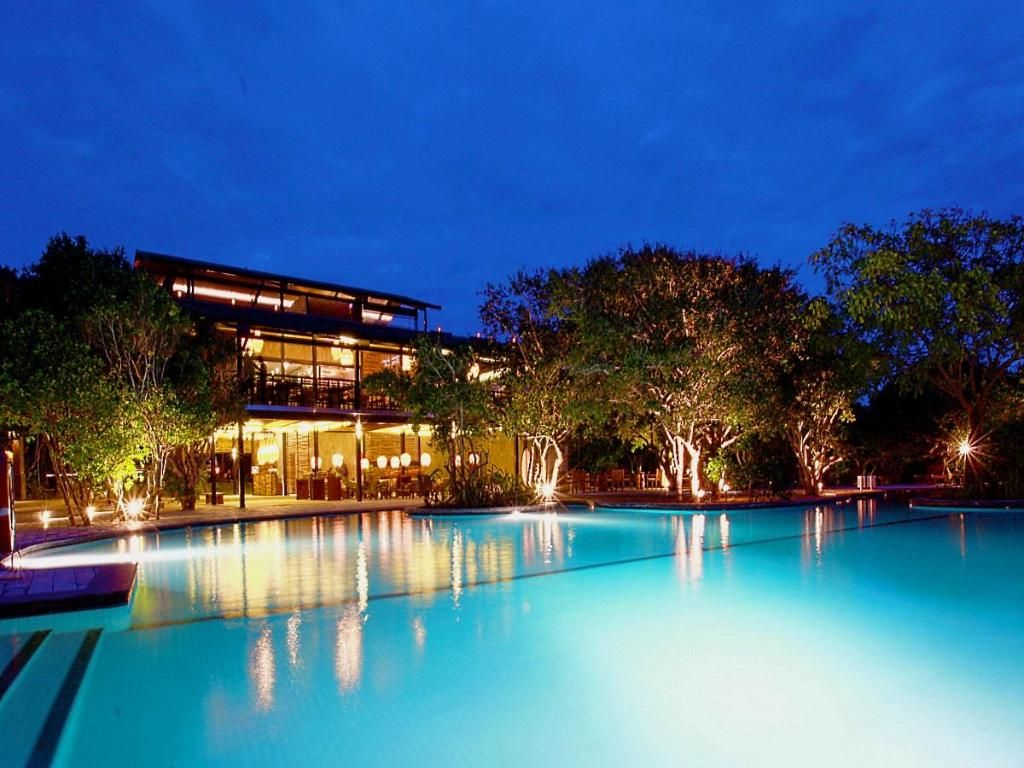
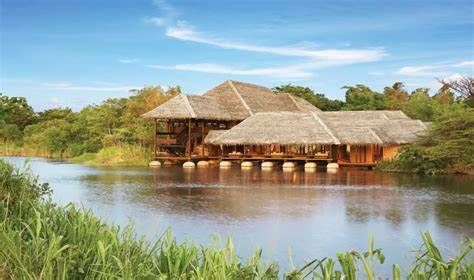
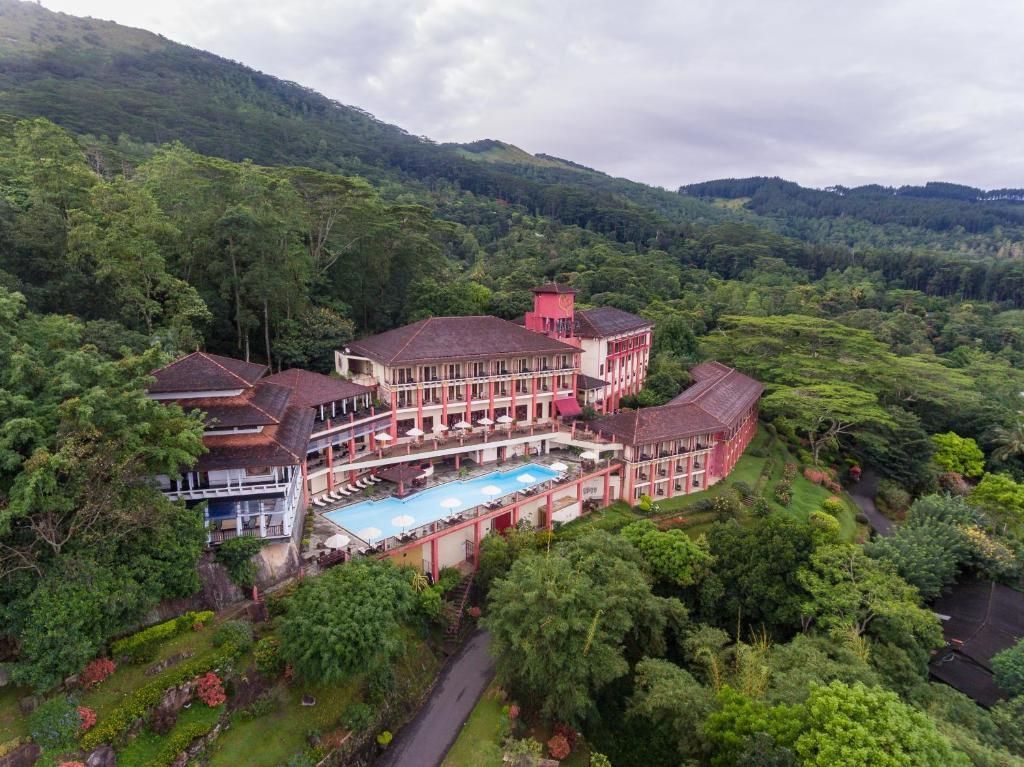
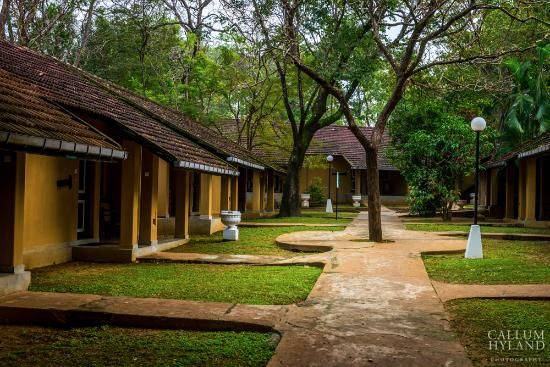
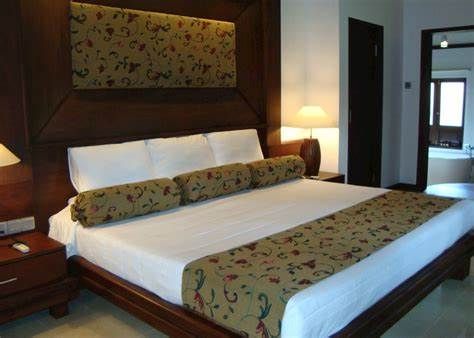
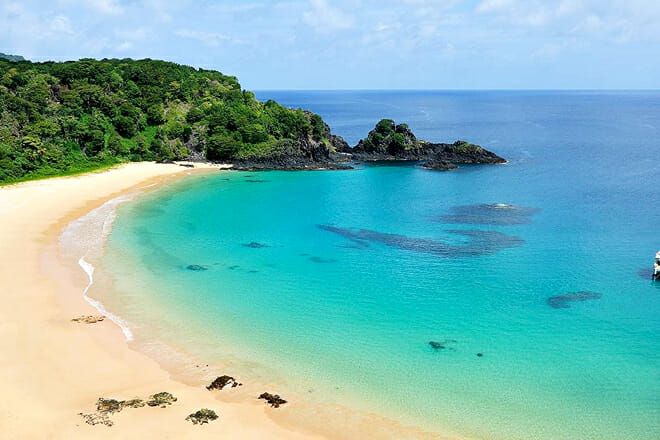
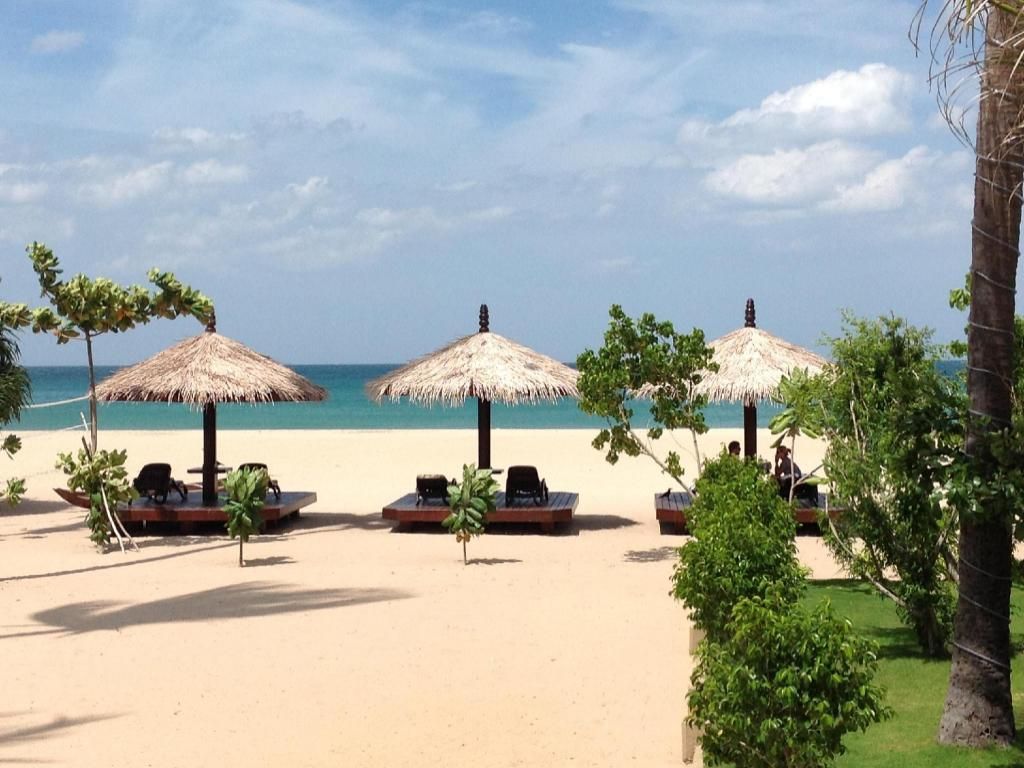
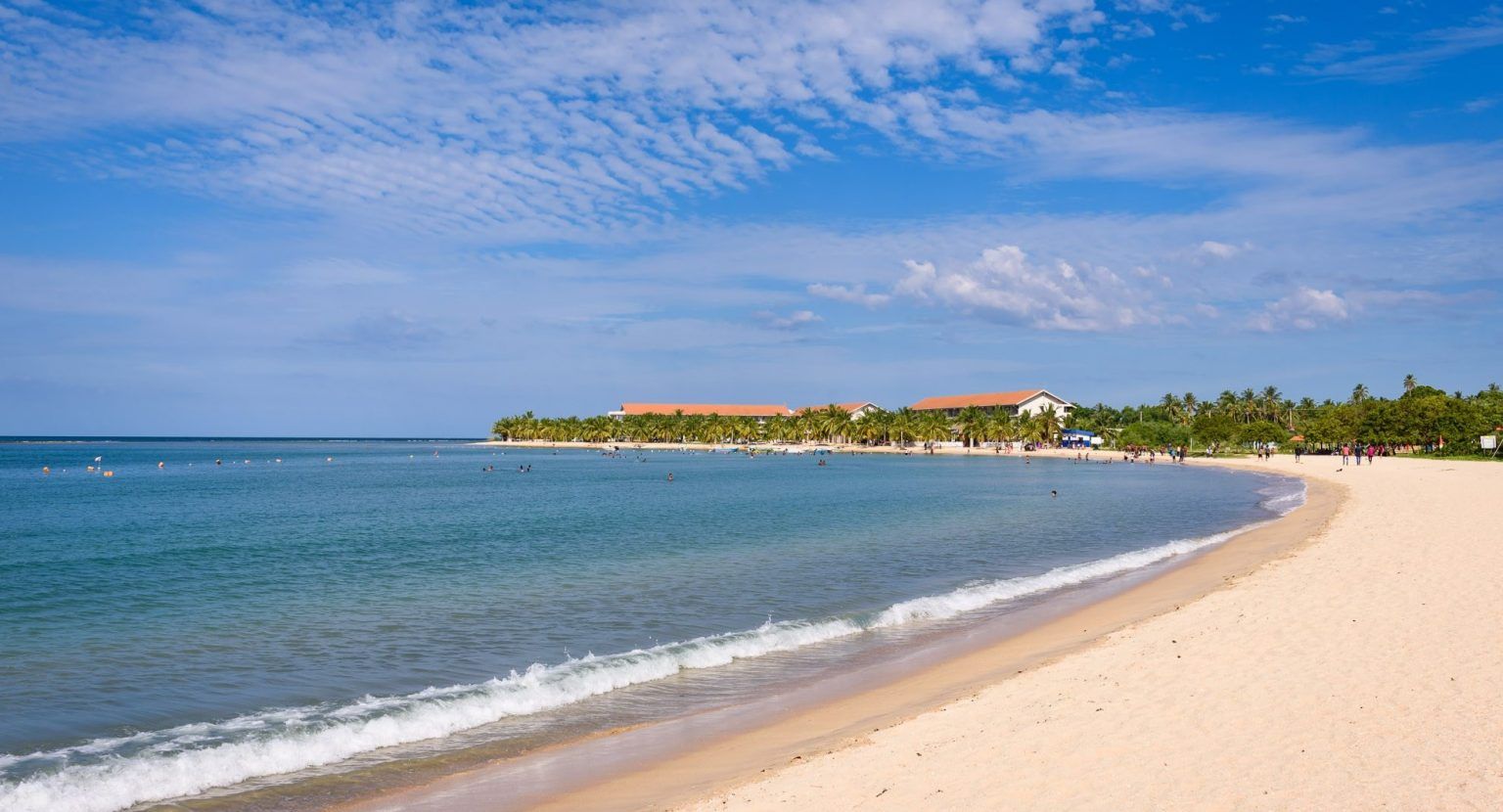
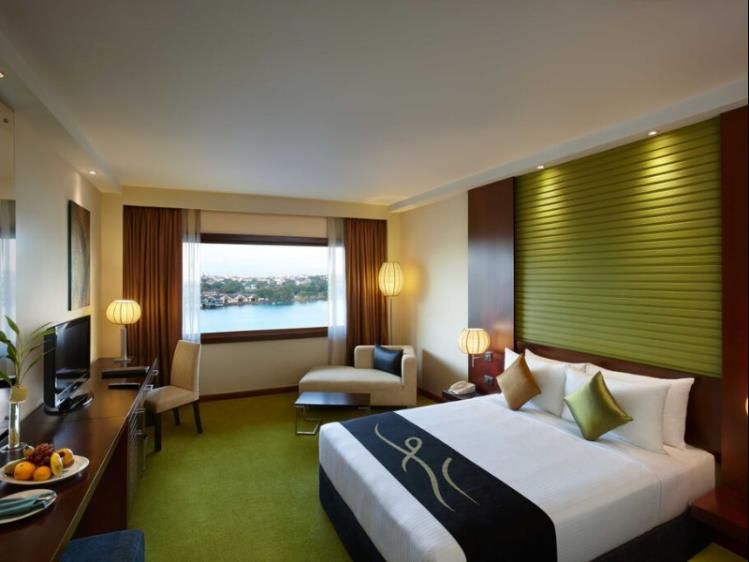
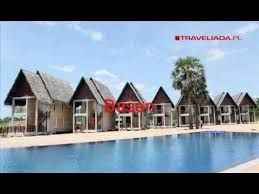
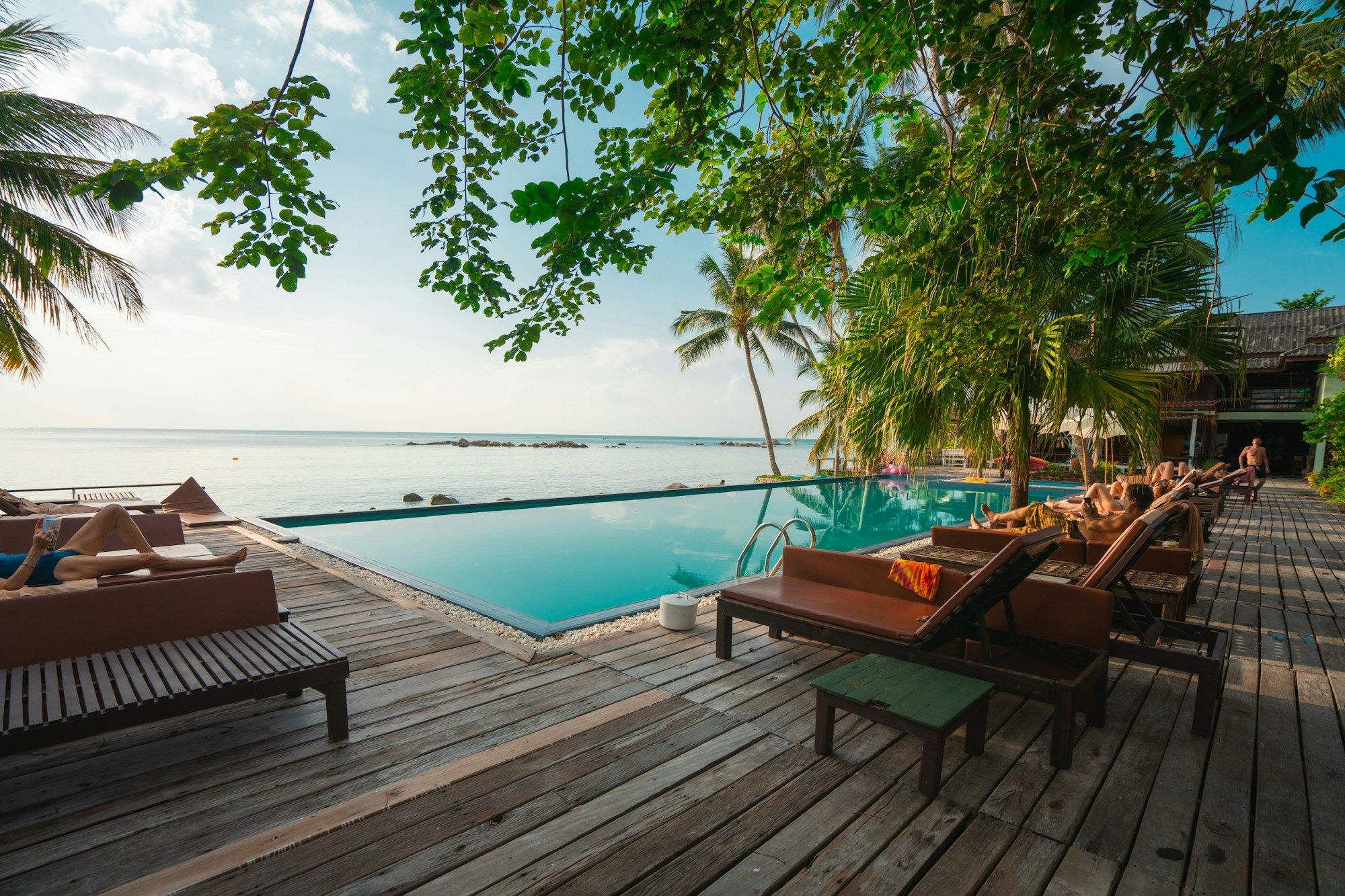
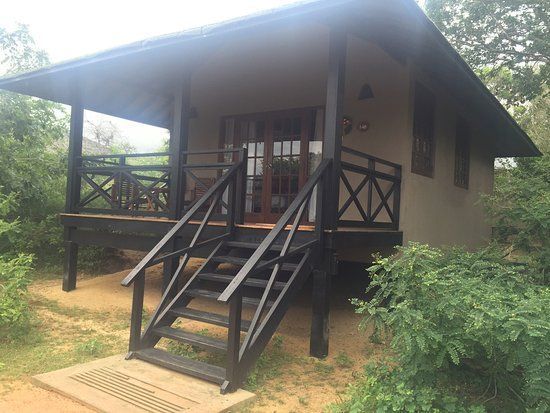
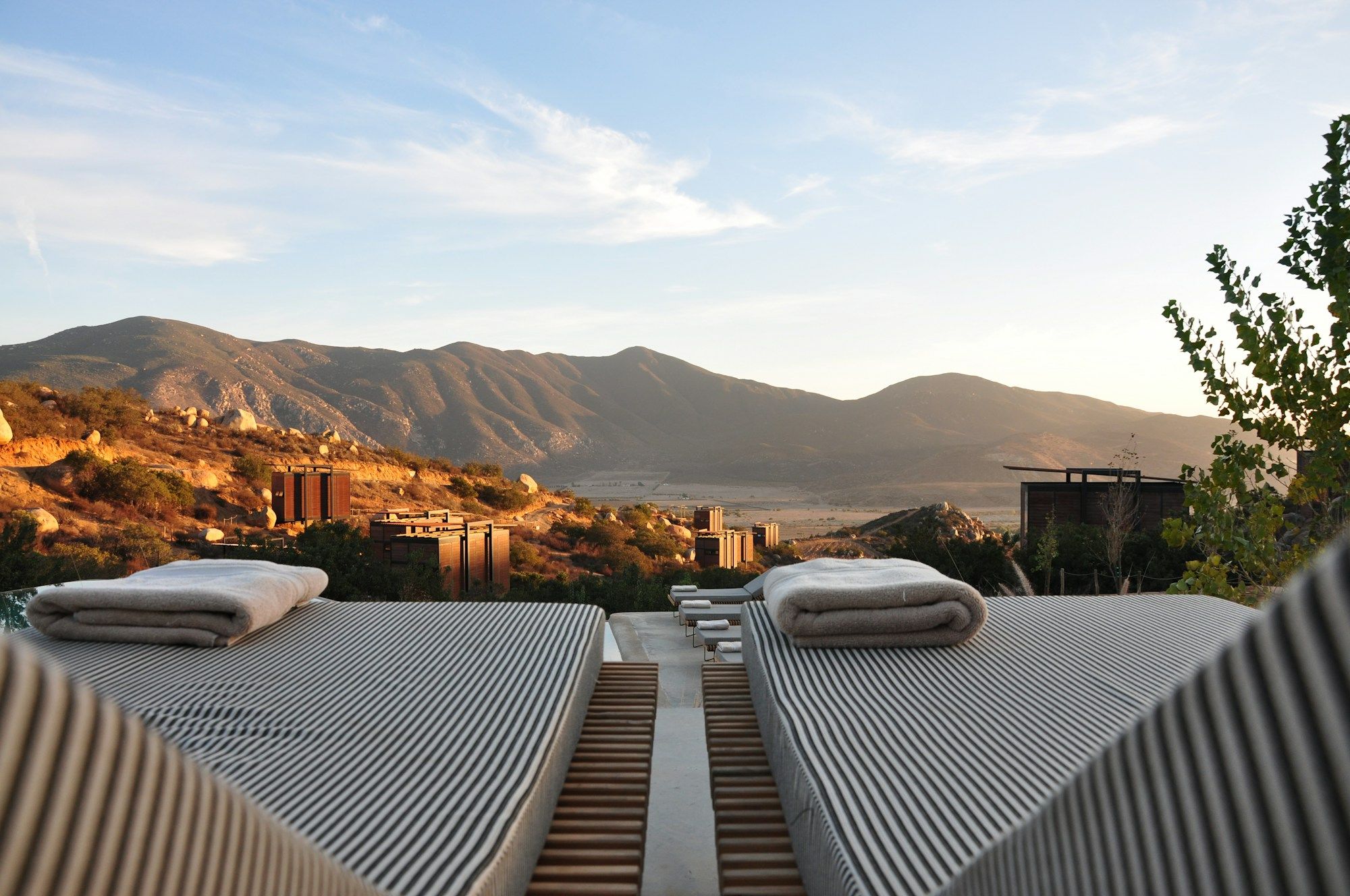


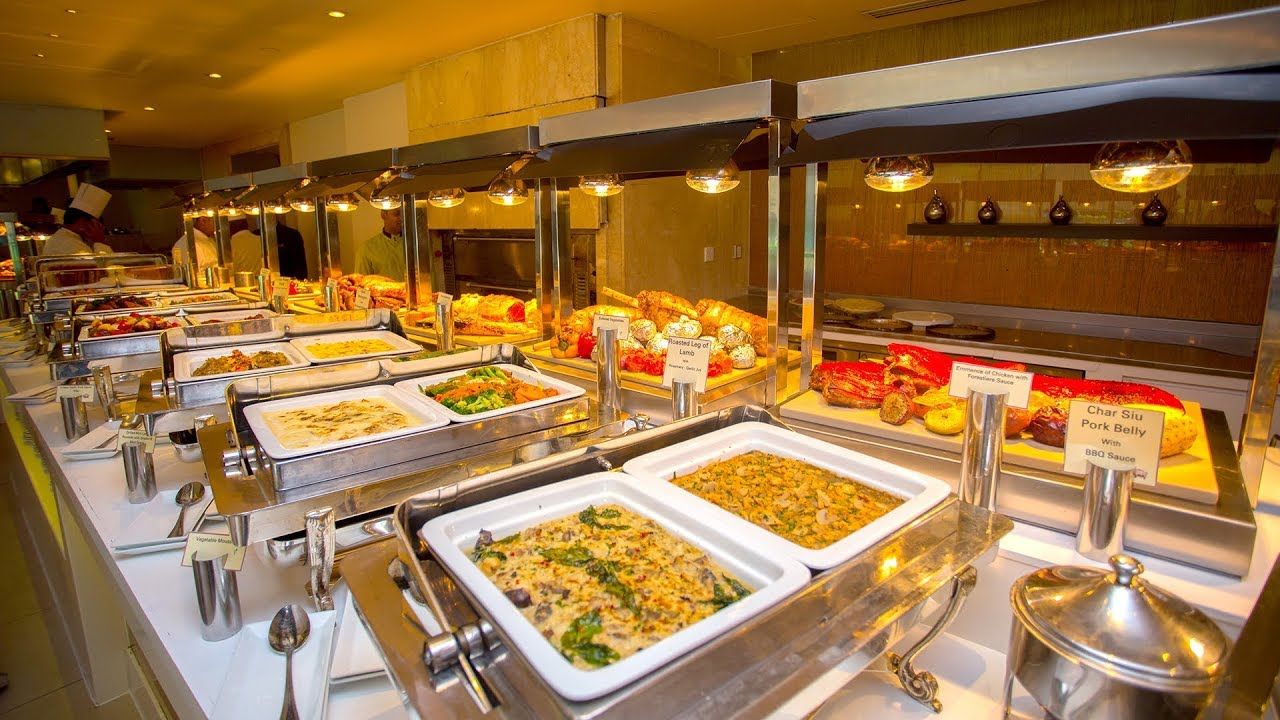
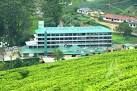
Hospitality is a key component of Sri Lanka’s culture and plays a significant role in the country’s tourism sector and economy. From resort hotels, city hotels, boutique hotels, and homestays to camping sites and restaurants serving authentic Sri Lankan cuisine, there is a wide variety of hospitality options available.
Activities and Trekking
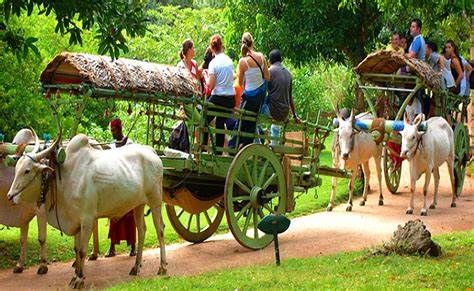
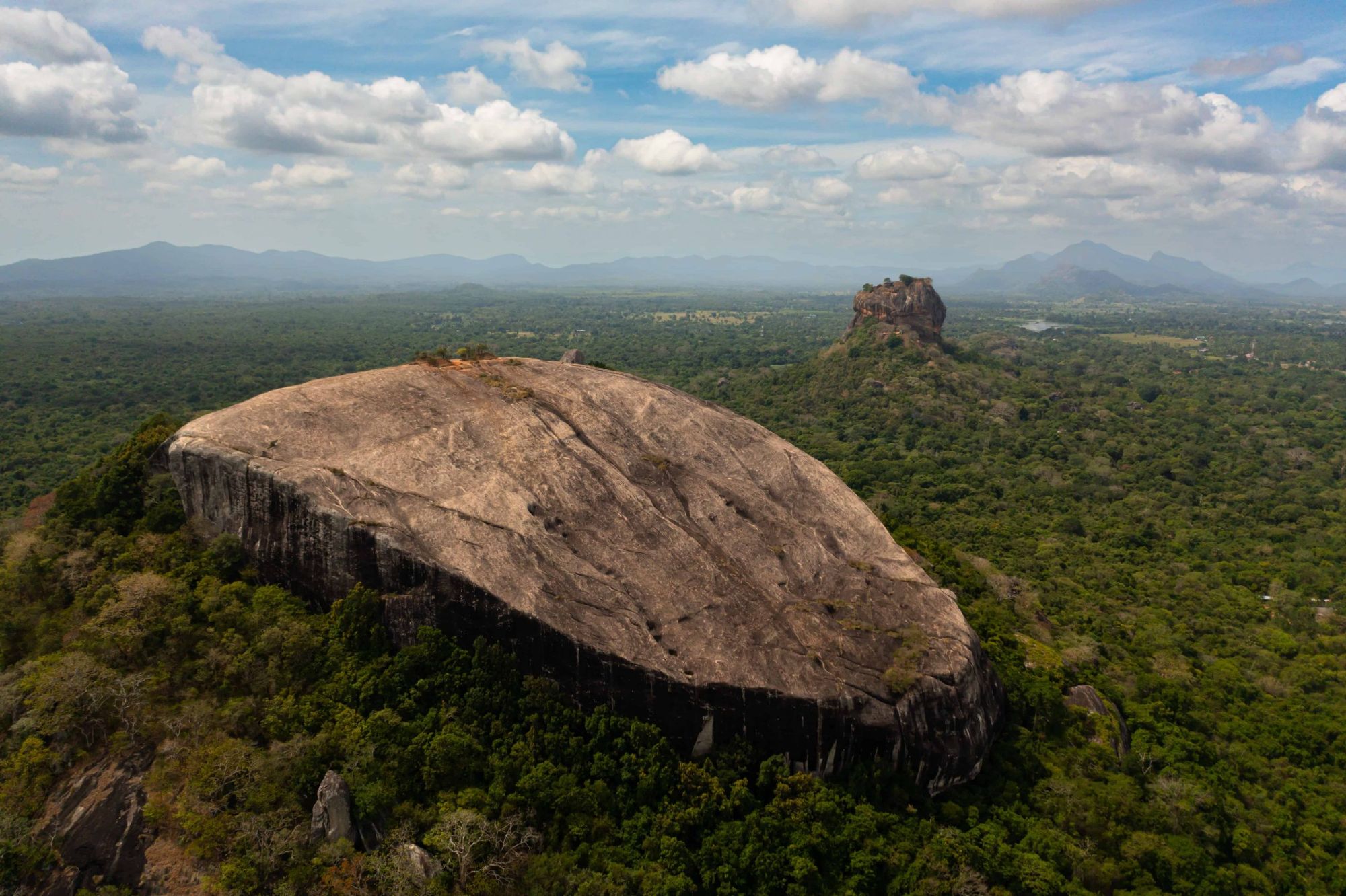
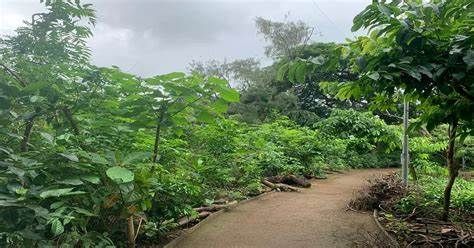
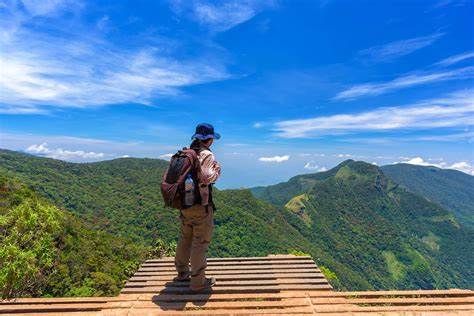
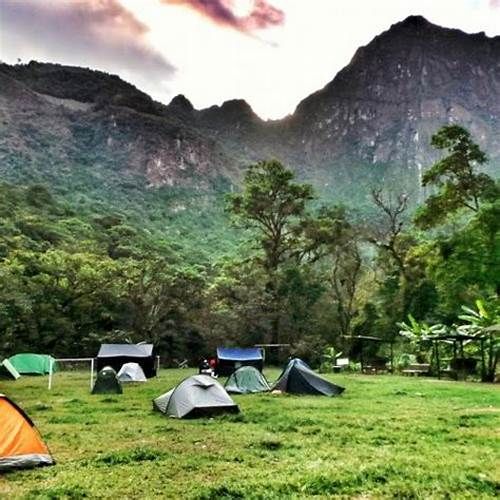
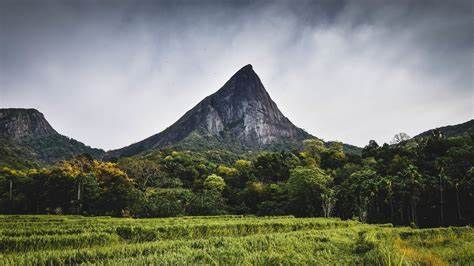


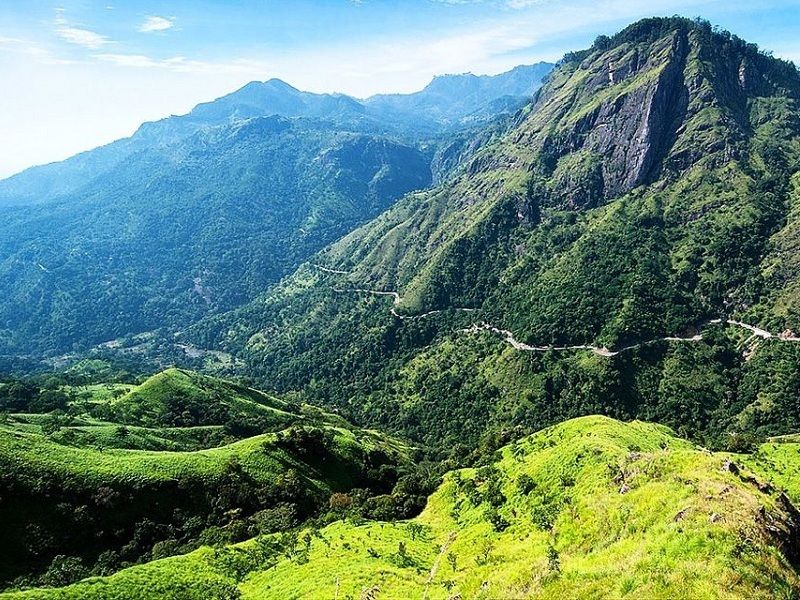
Sri Lanka offers many opportunities for trekking and hiking. Some of the best hiking and trekking trails in Sri Lanka include Ella Rock, Little Adam’s Peak: another hike in the mountain town of Ella. Horton Plains and World’s End, Knuckles Range and Meemure.
Food & Fruits
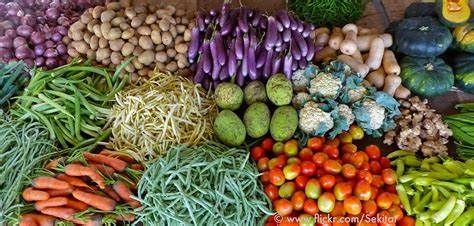
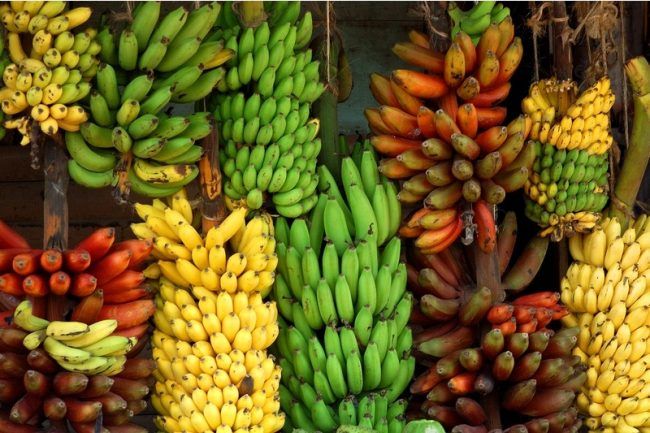
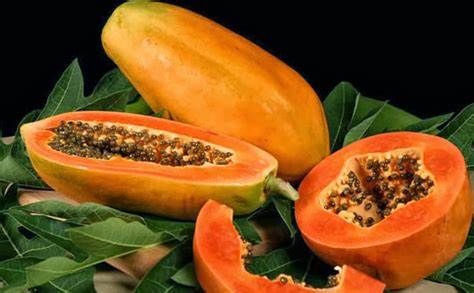
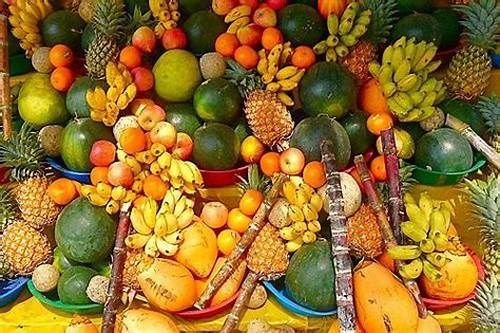
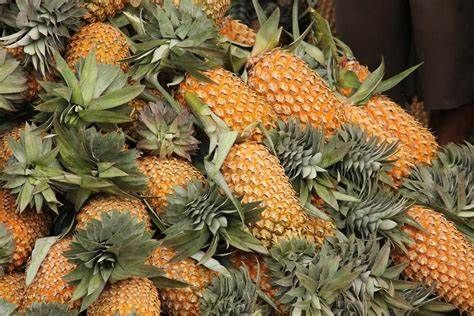
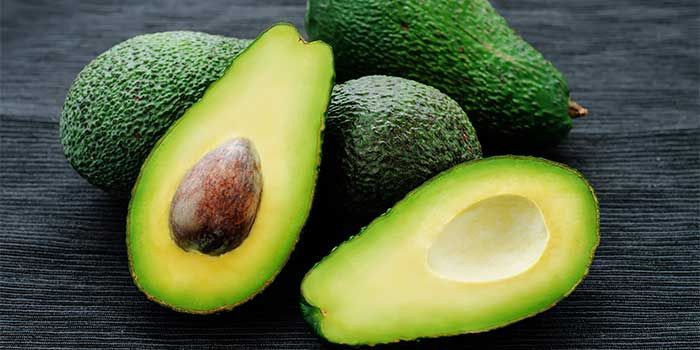
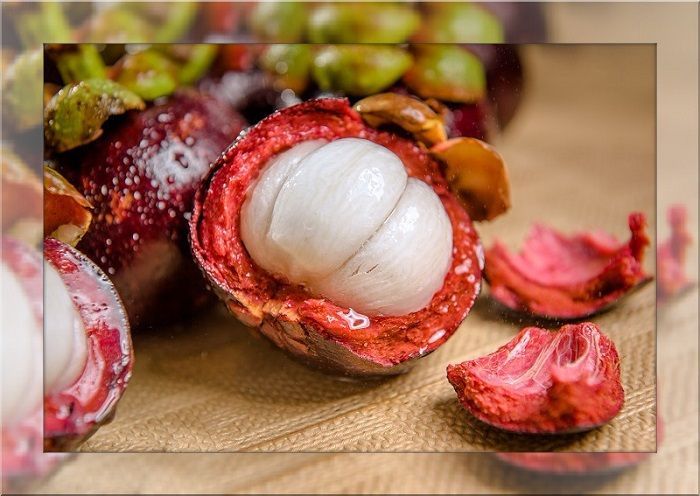

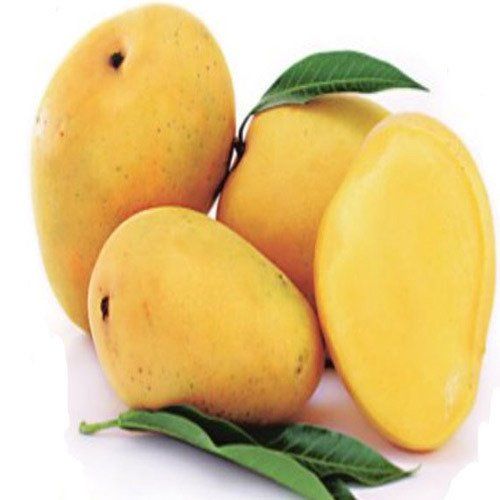

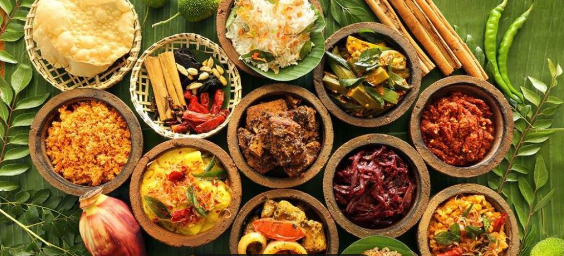
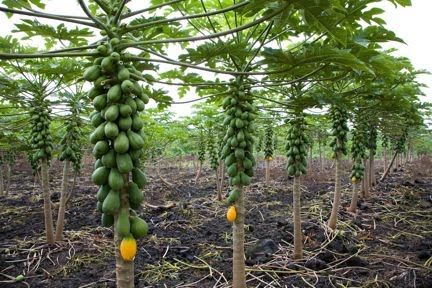
Curious about the fruits in Sri Lanka? Since it’s a tropical country, there are plenty of Sri Lankan fruits that are grown locally year round, and they’re cheap too! Here’s a list of 15 fruits that you should definitely try while visiting. Thambili. This Sri Lankan fruit is known as the King Coconut, and it’s very famous
Nature
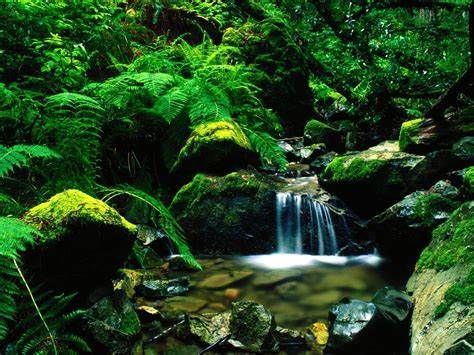
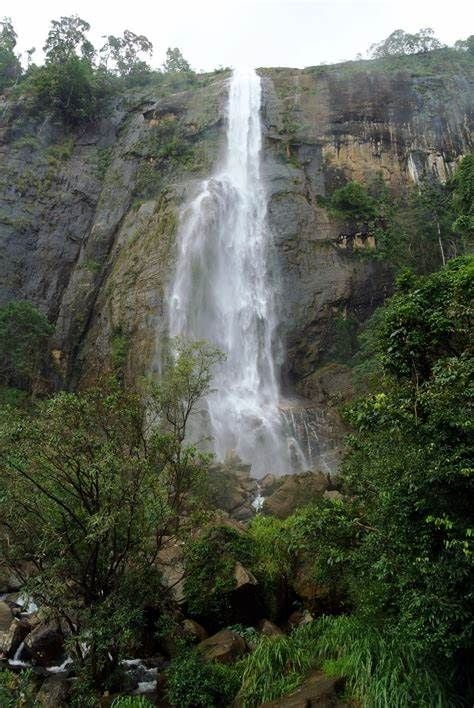
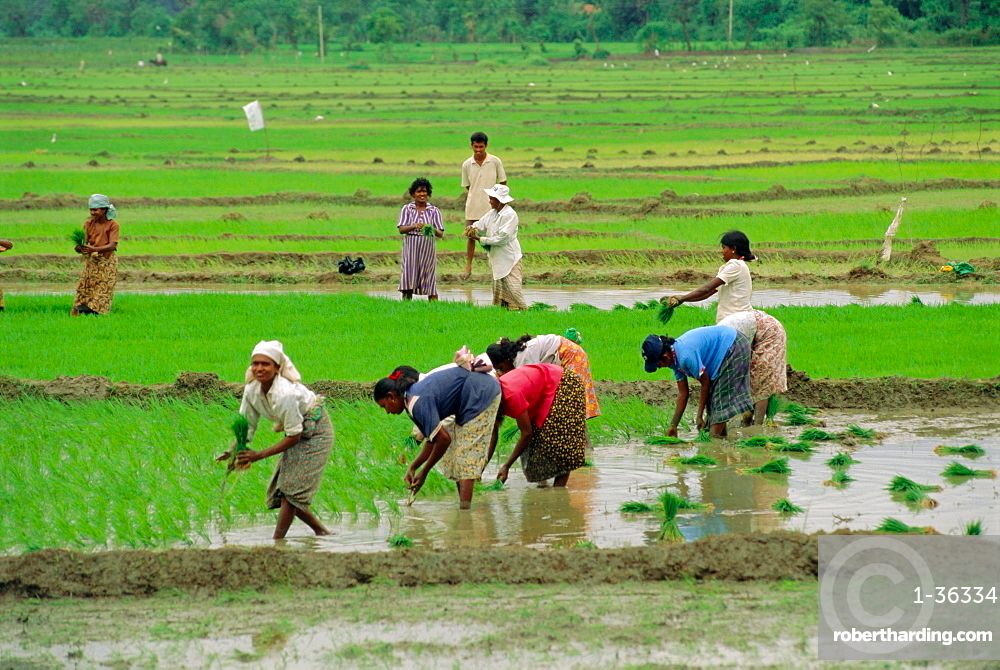
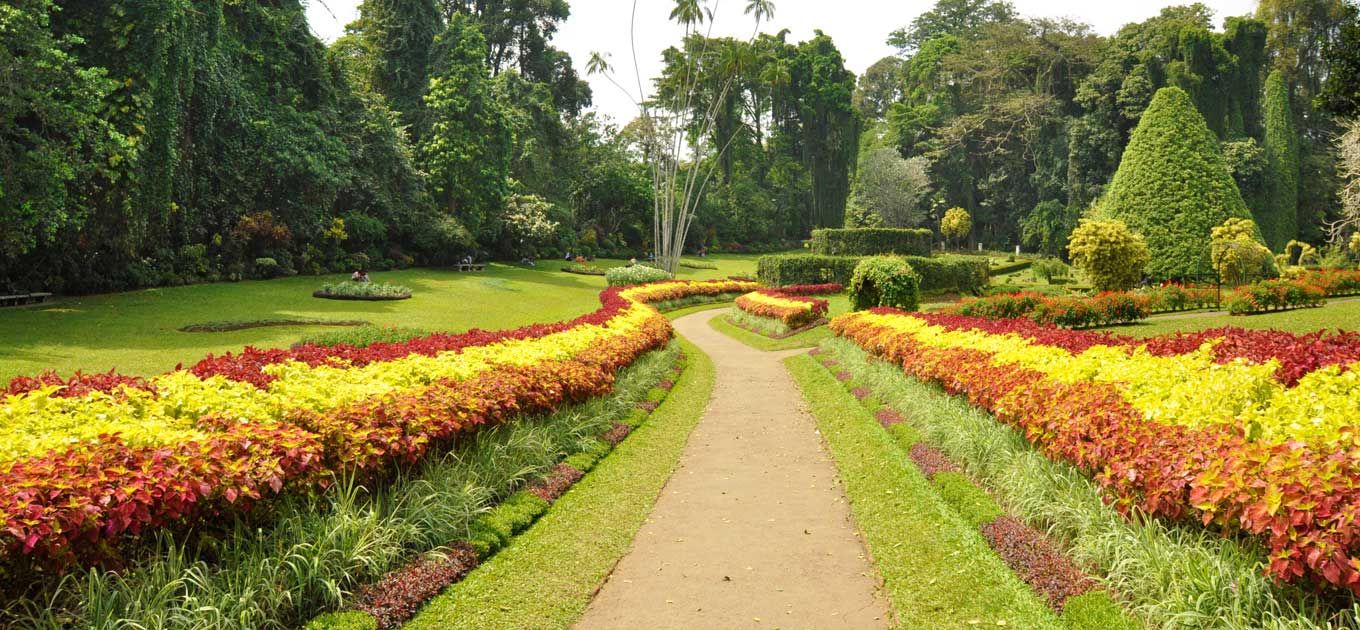
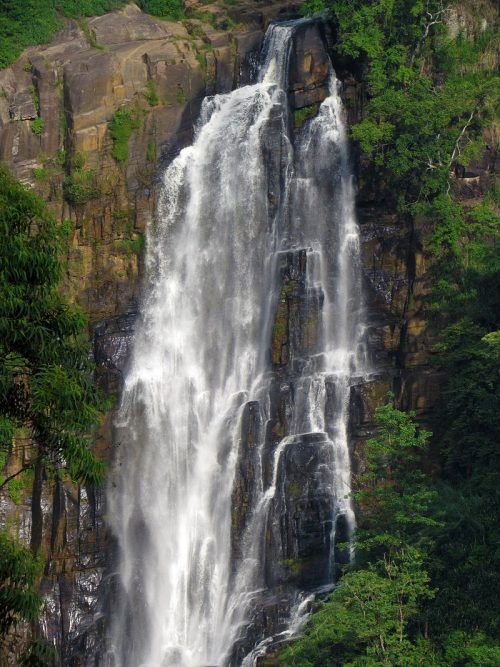
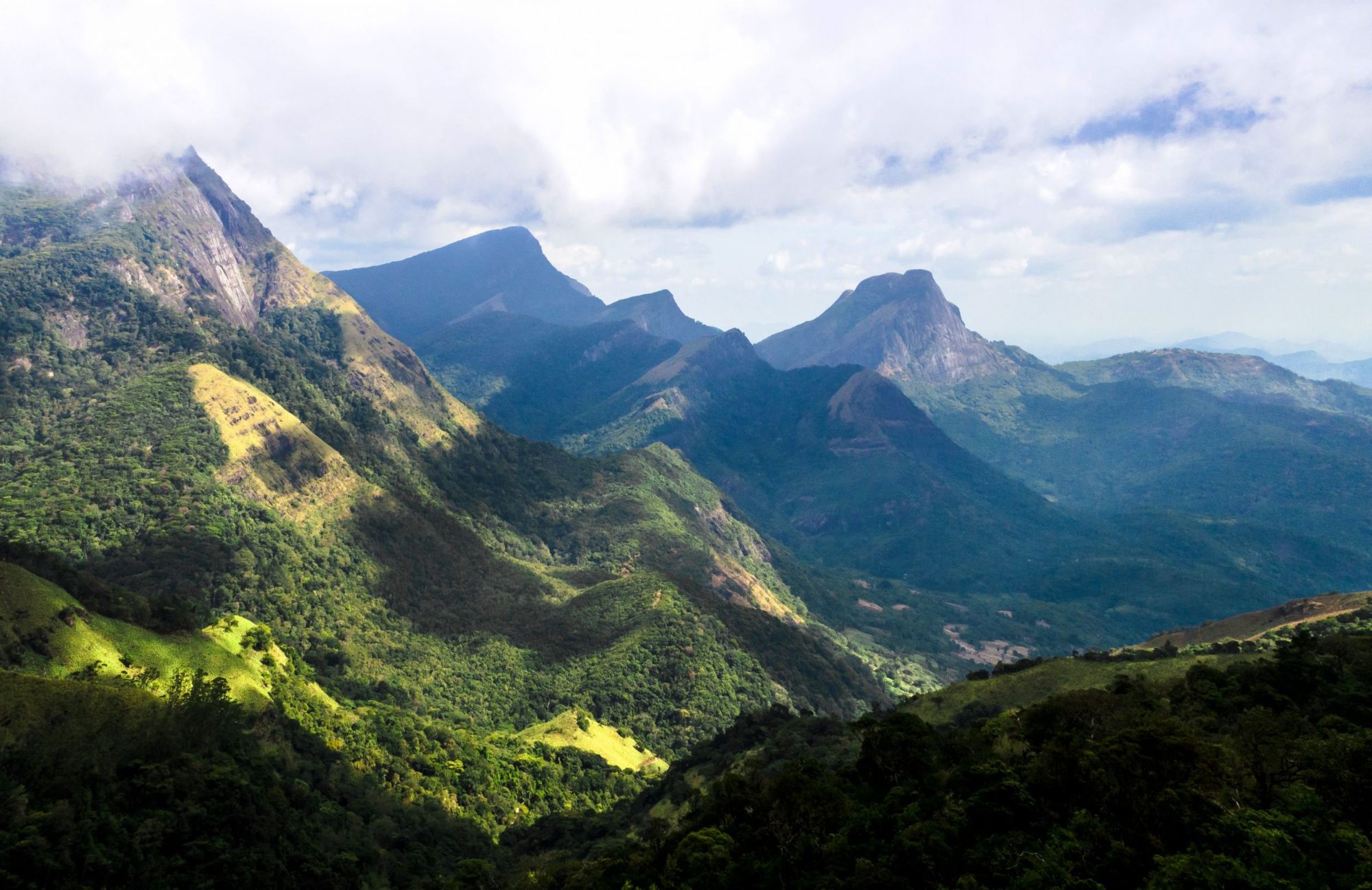
Mangrove forests, which are well known for coastal protection and carbon sequestration, are a very productive ecosystem found in estuarine and coastal areas in tropical and subtropical latitudes. This study reviews the current status of mangrove ecology, management and conservation in Sri Lanka.
Cottage and Boutique Hotels
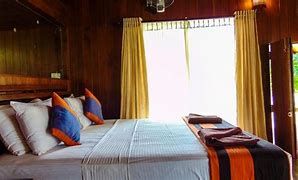
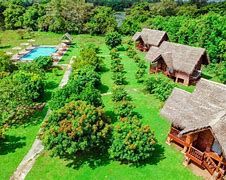
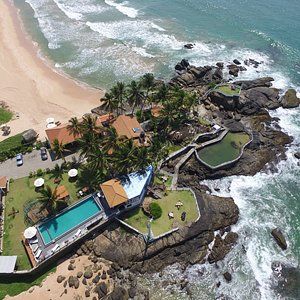
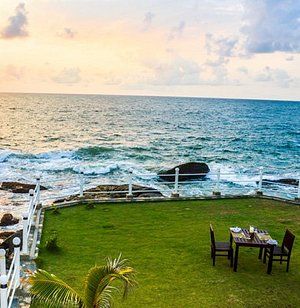
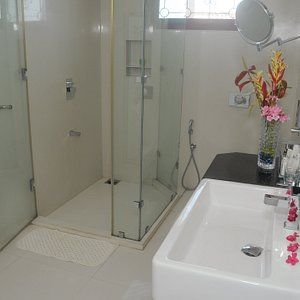
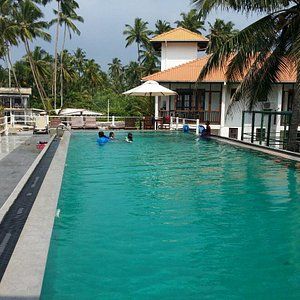
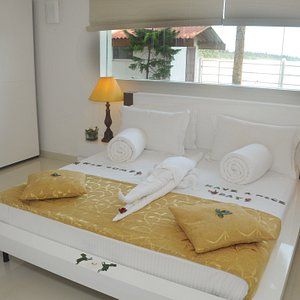
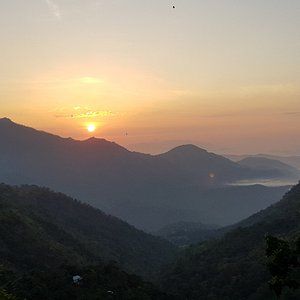
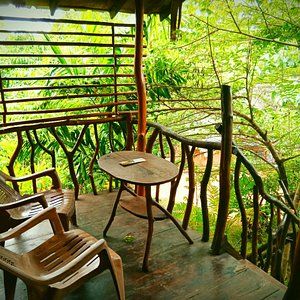
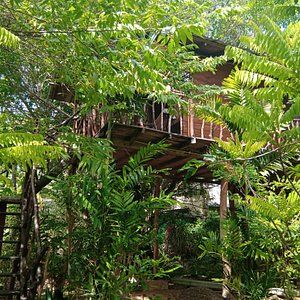
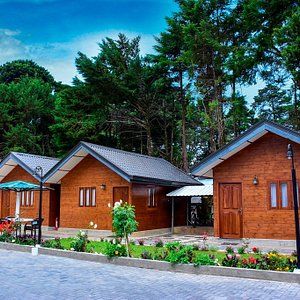
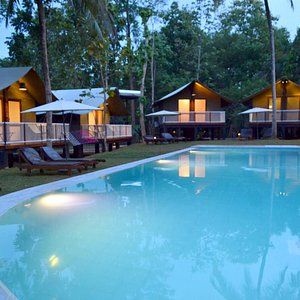
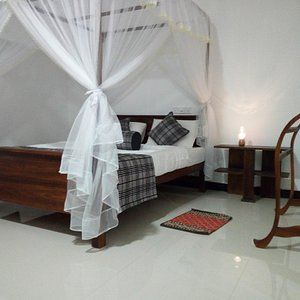
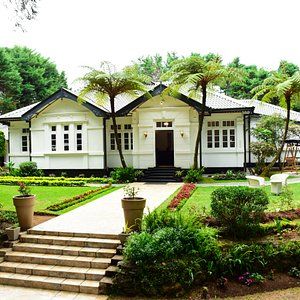


Our Cottage and Boutique hotels, are the perfect choice for a holiday for two! Find the one that suits you best, Guest House, and enjoy an unforgettable time! A boutique hotel is a small, unique hotel that prioritizes personalized service, distinctive design, and a more intimate experience compared to larger, chain hotels. These hotels often focus on creating a distinct personality and atmosphere, catering to guests seeking a unique and personalized stay.
Adventure and Eco Tours
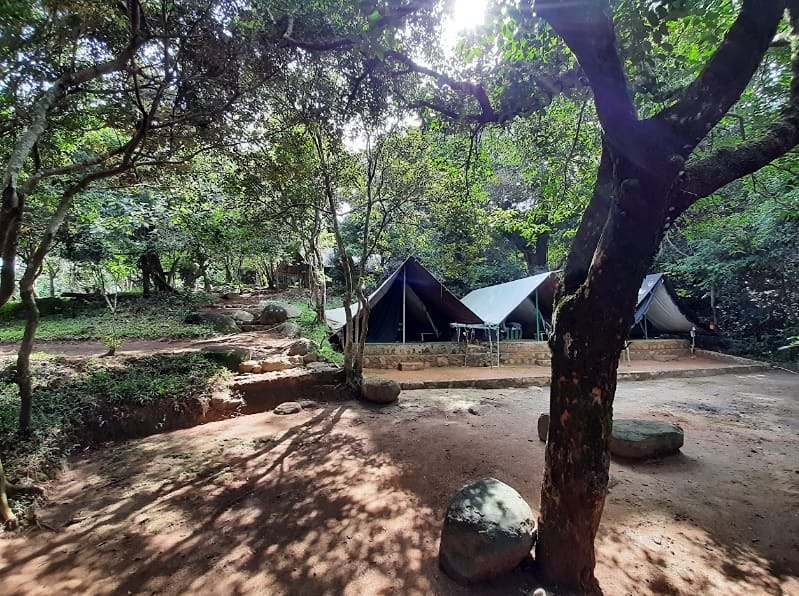
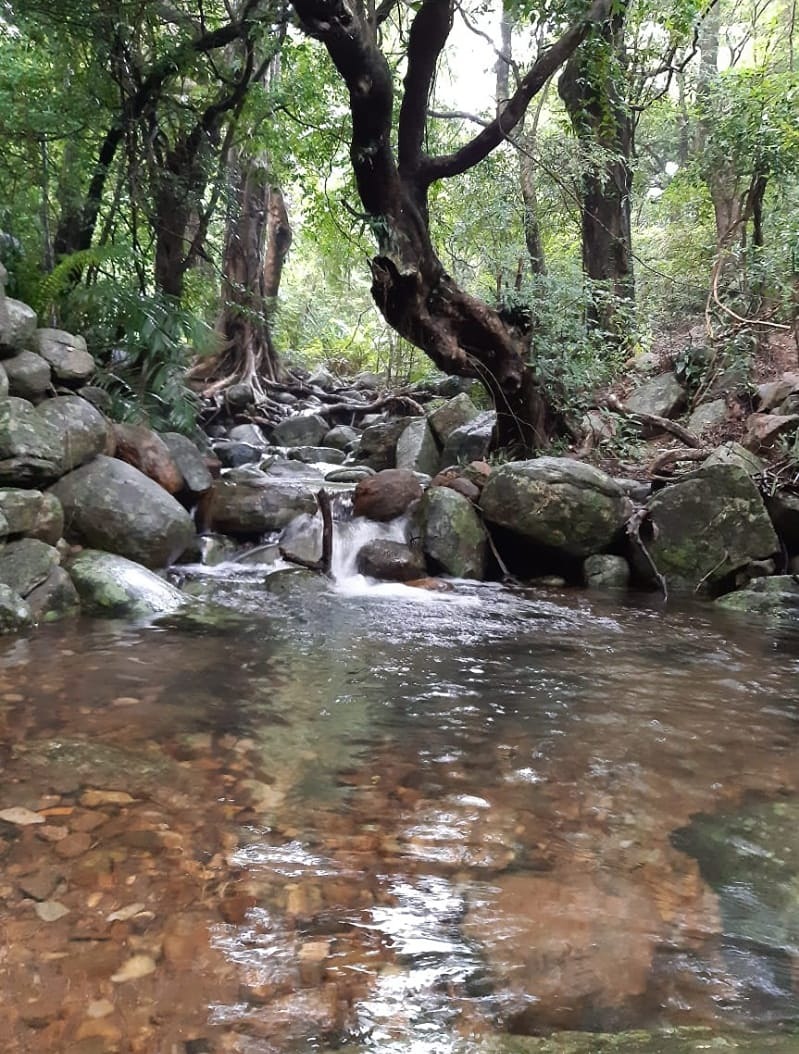
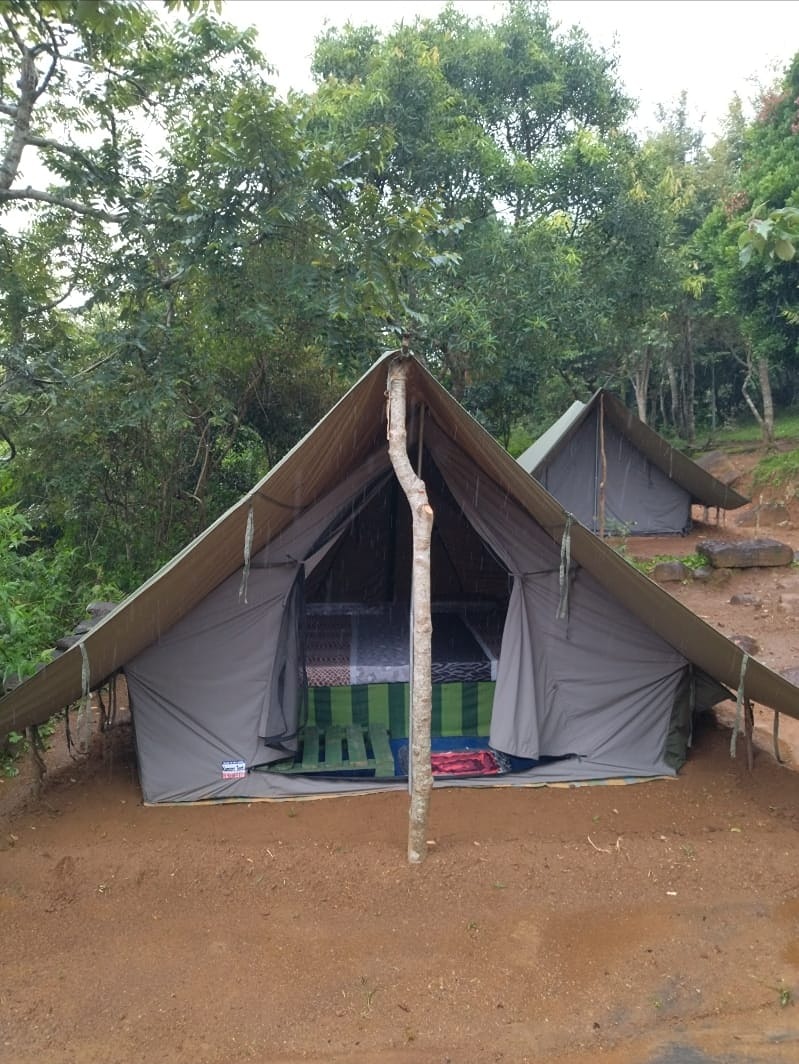
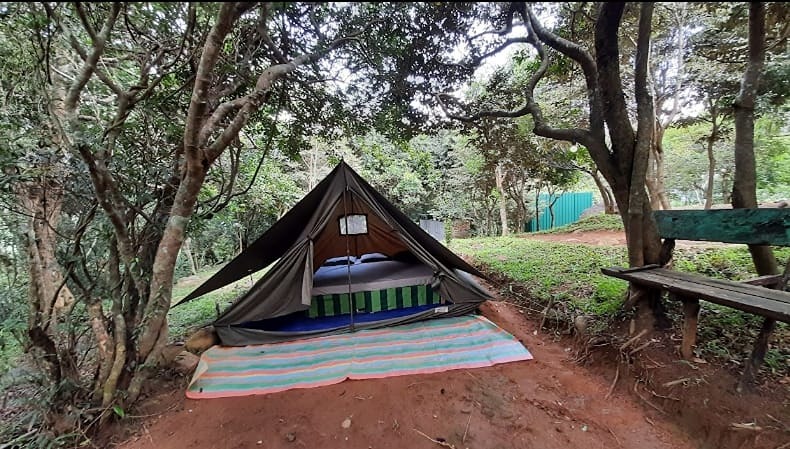
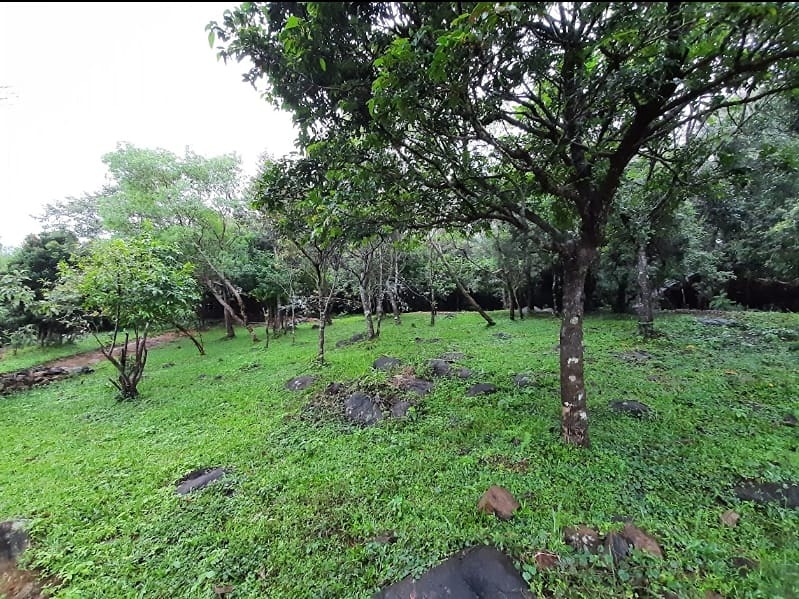
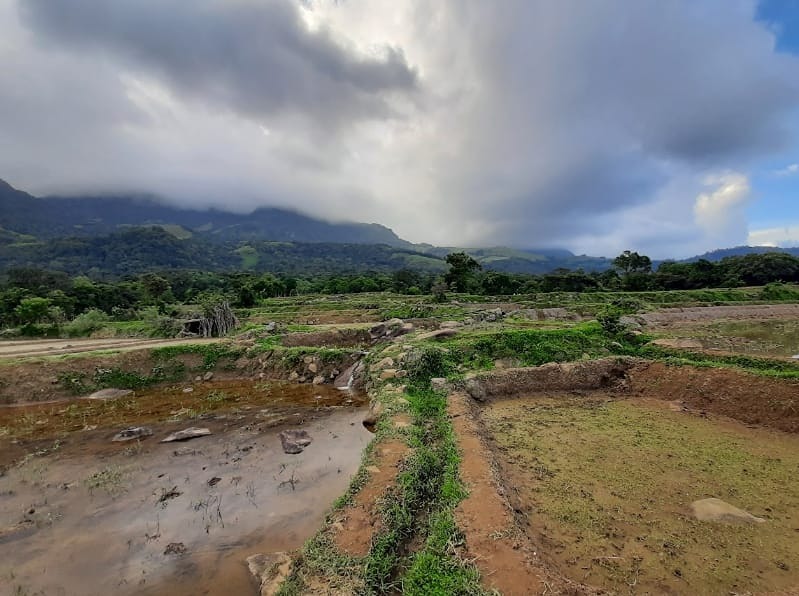
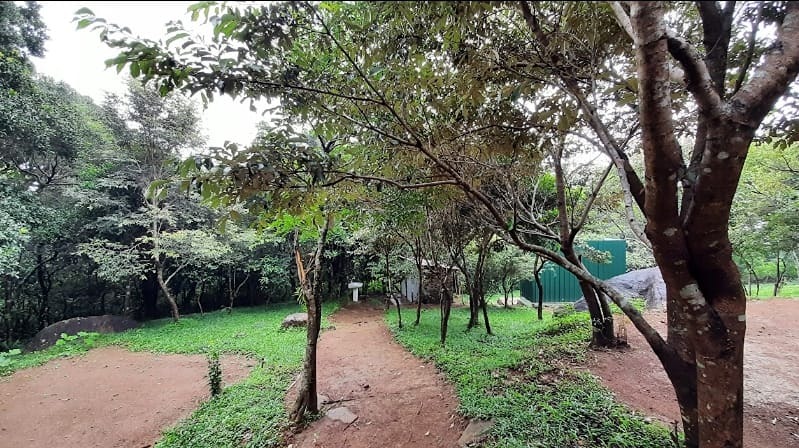
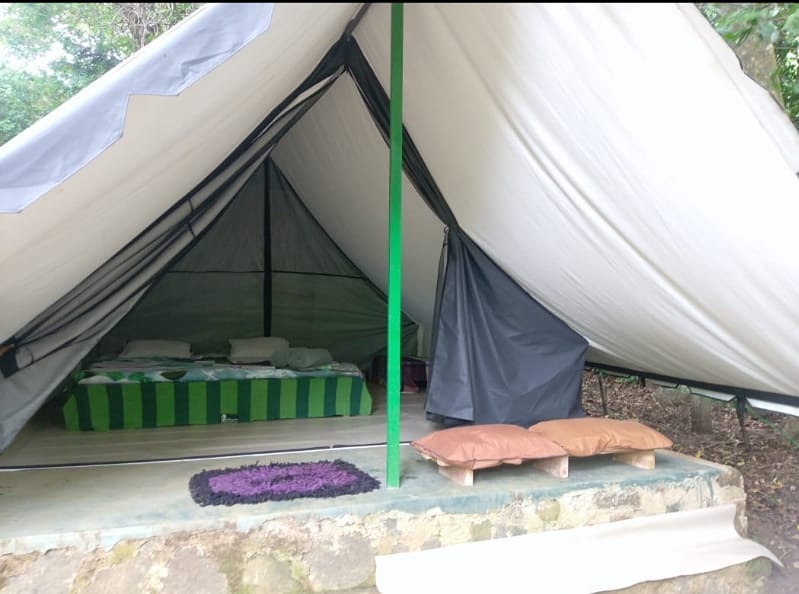
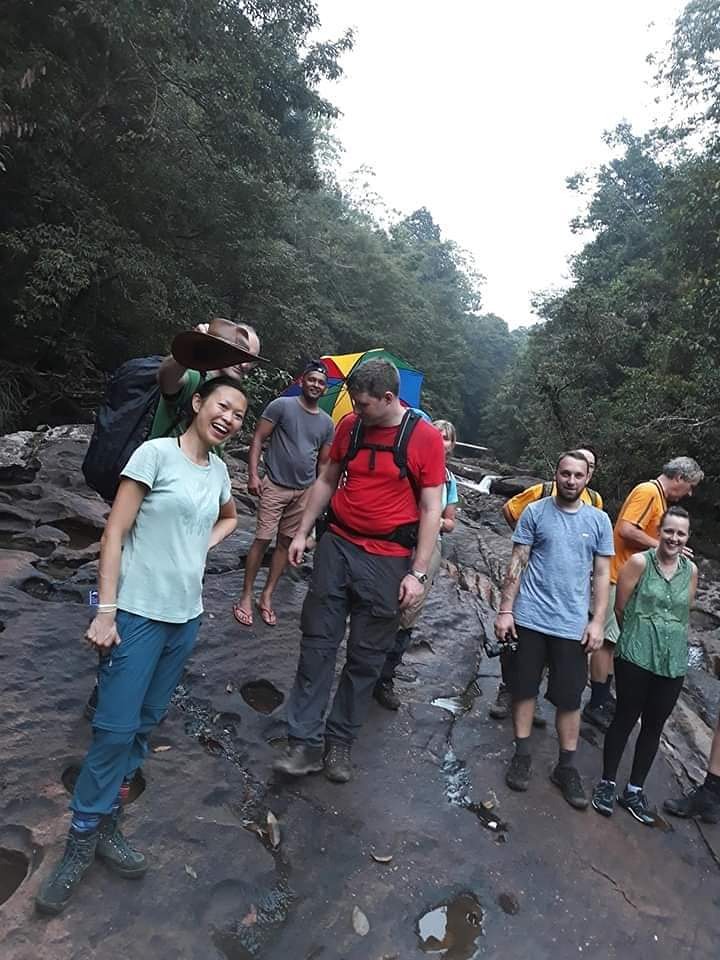

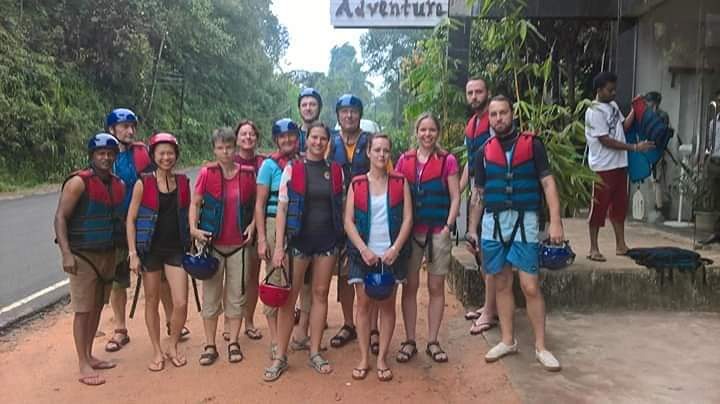
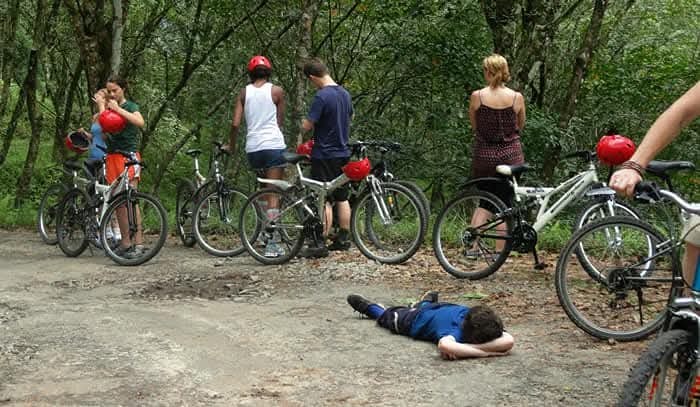
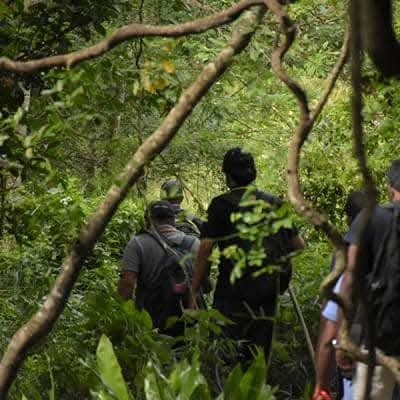
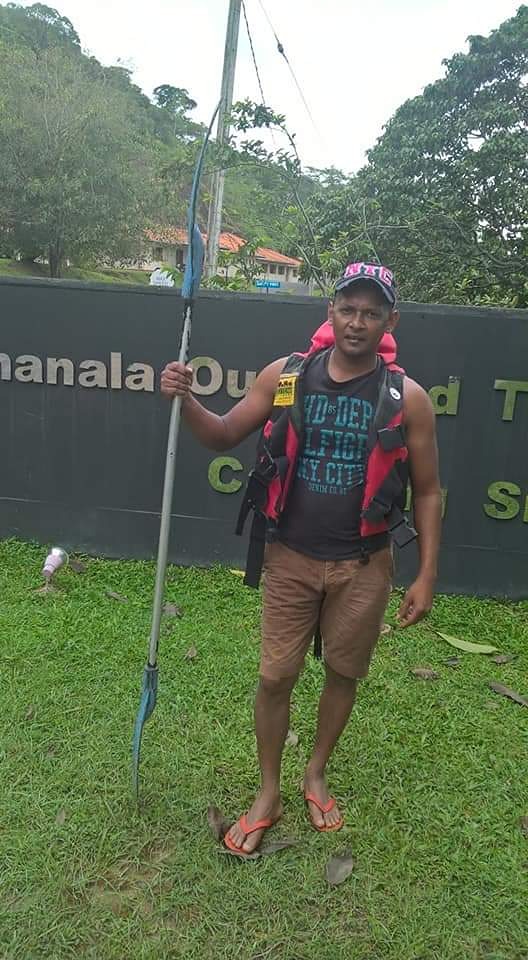
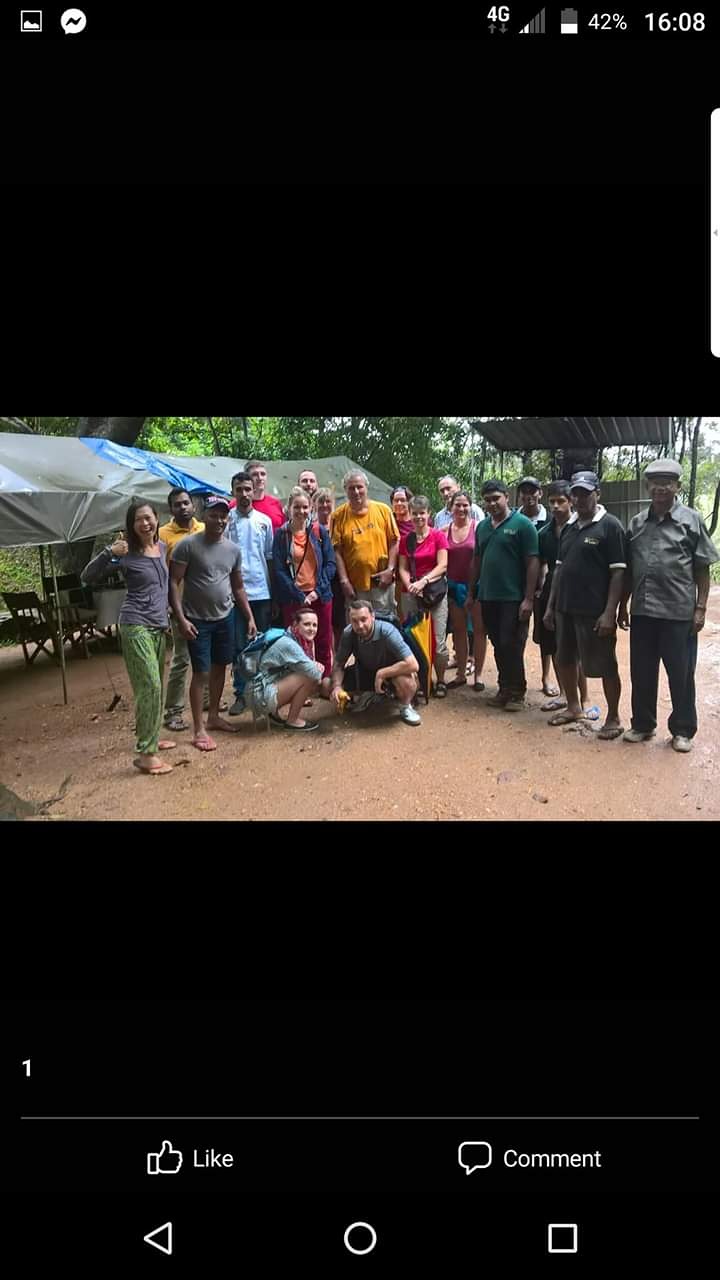
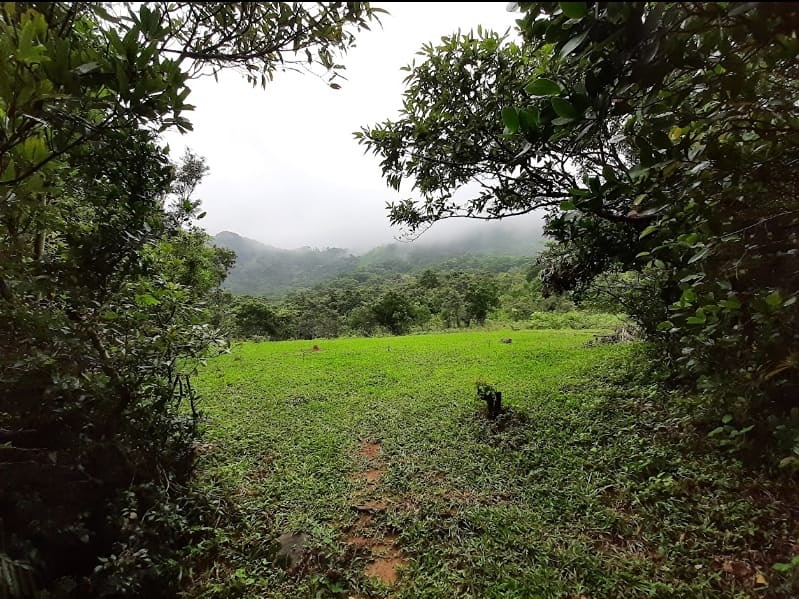
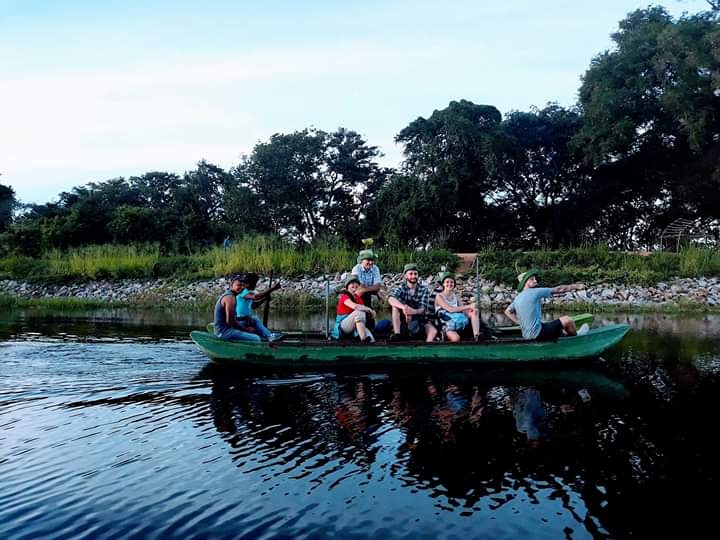
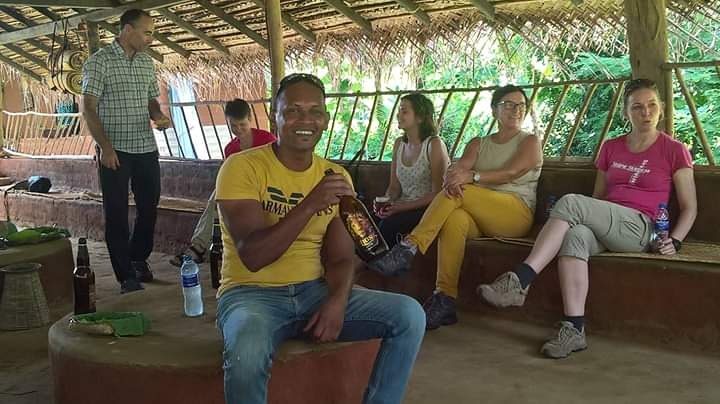
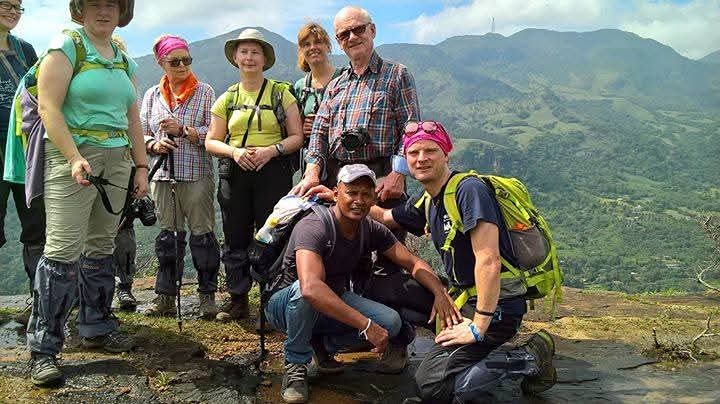
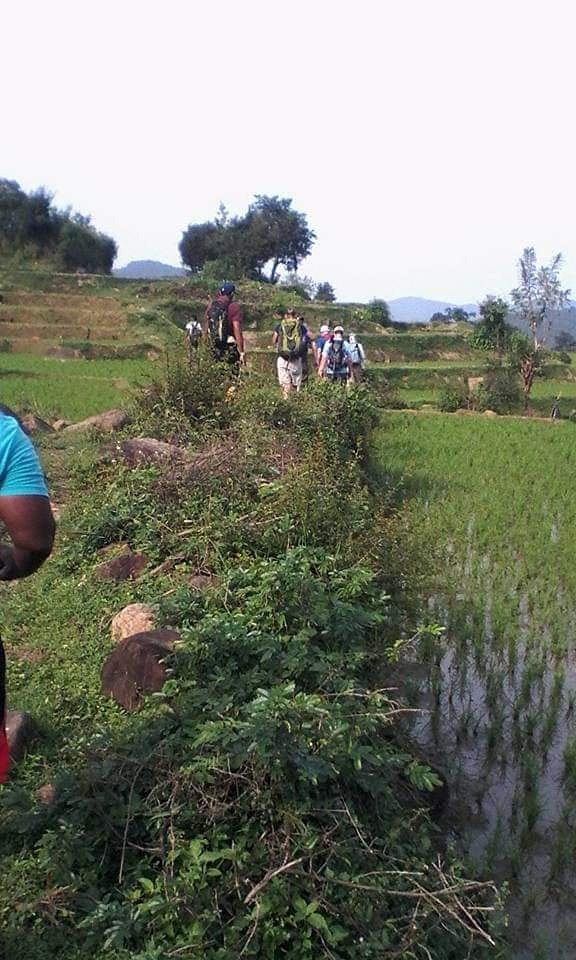
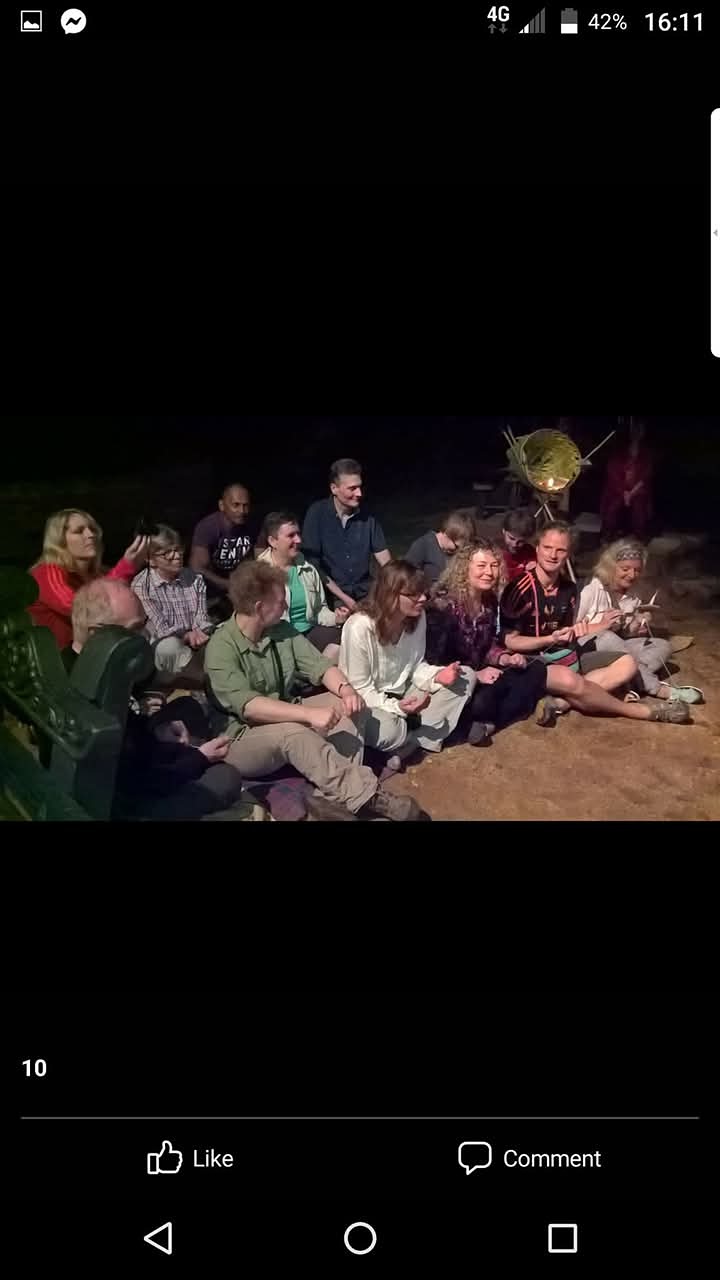


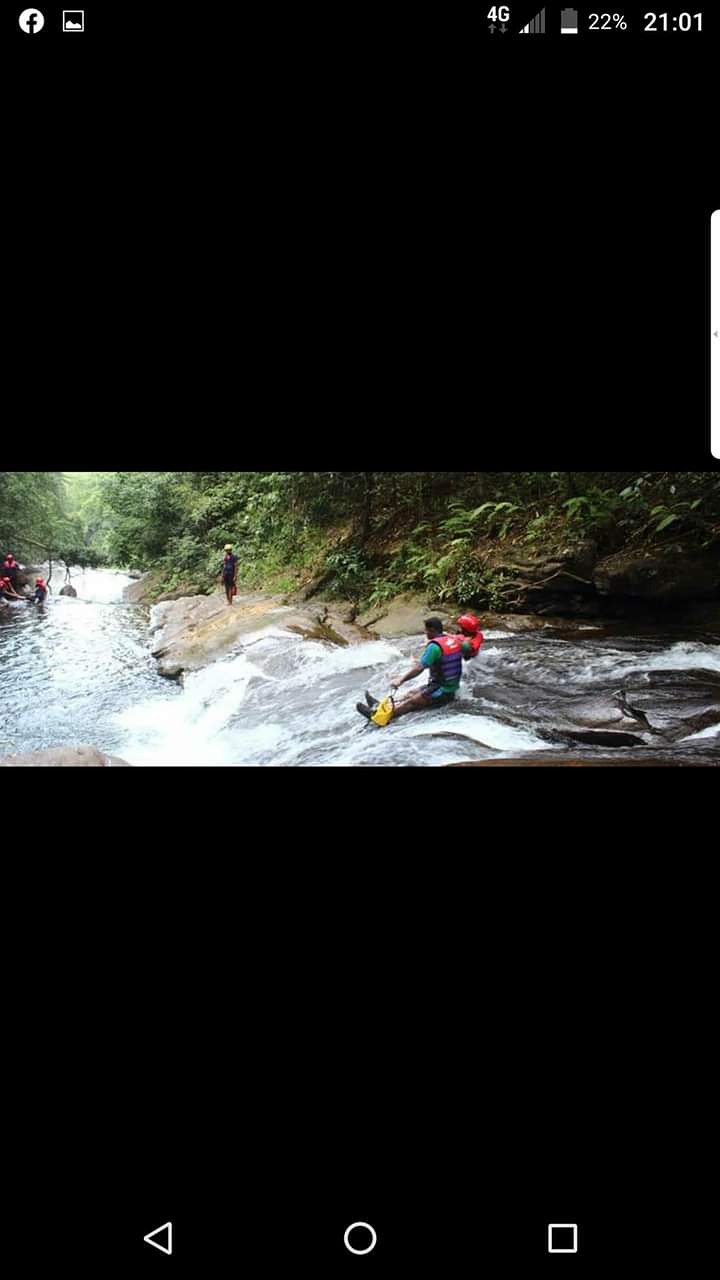
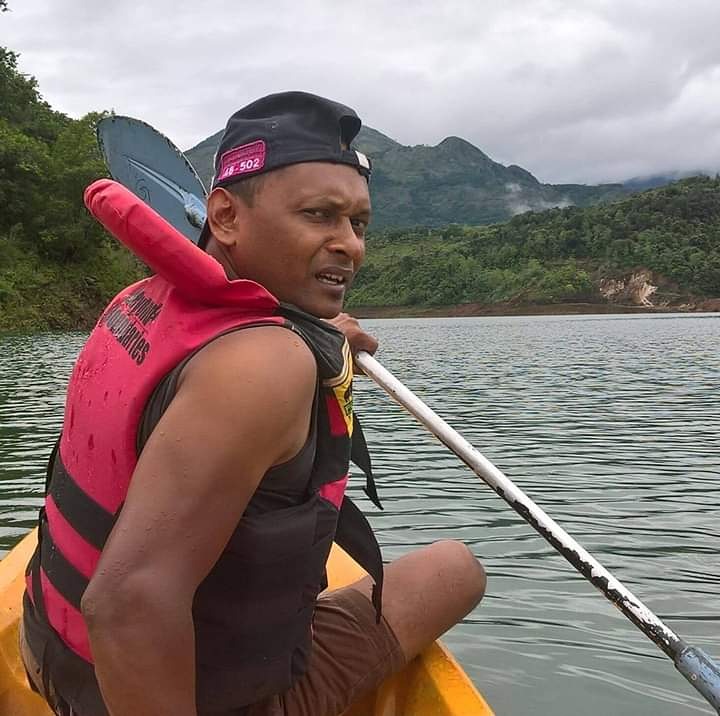
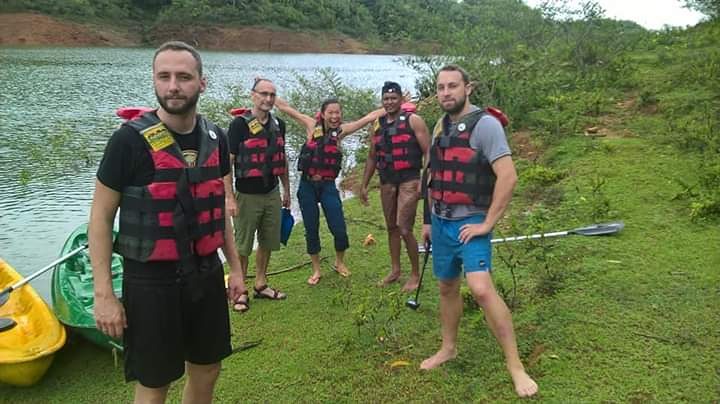

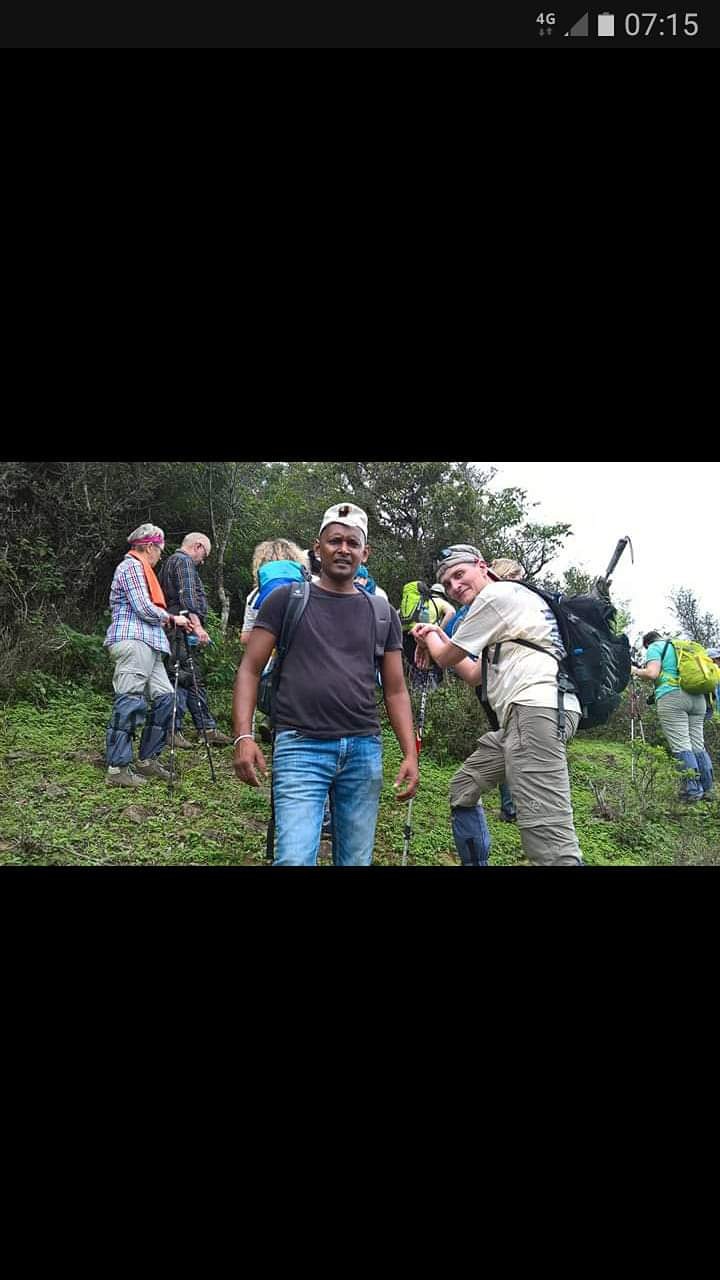
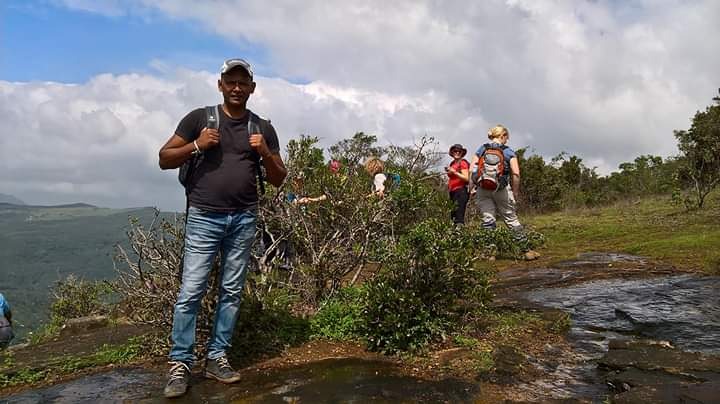
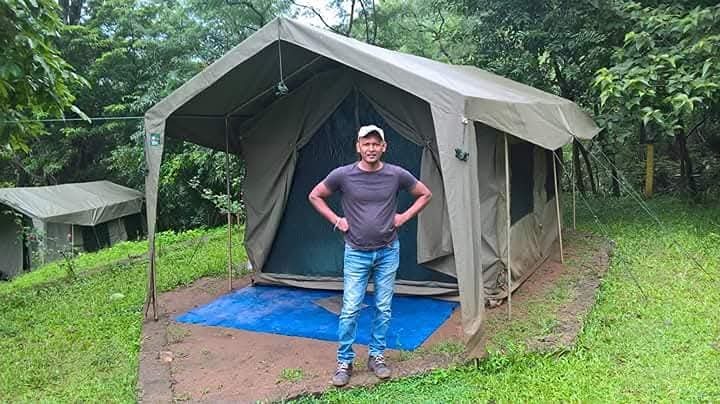
Adventure and eco-tourism in Sri Lanka offers a chance to explore the country's natural beauty while minimizing environmental impact and supporting local communities. This type of tourism focuses on experiences like trekking, wildlife encounters, and cultural immersion in a responsible way, contributing to the conservation of natural resources and the well-being of local people.
Wildlife and Nature:
Sri Lanka boasts diverse ecosystems, including rainforests, national parks, and wildlife sanctuaries. Adventure tourism provides opportunities to explore these areas through activities like trekking in Sinharaja Rain Forest, birdwatching in Horton Plains National Park, and wildlife safaris in national parks like Yala and Wilpattu.
Adventure Activities:
Beyond traditional hiking and trekking, adventure tourism can also include activities like kayaking, white-water rafting, and rock climbing in areas like Kitulgala.
Education Tours


This block is an item collection and allows multiple similar items to be added and removed. You can drag these items to reorder them.
History


History
According to the Mahavamsa, King Pandukabhaya, the founder and first ruler of Anuradhapura, fixed village boundaries in the country and established an administration system by appointing village headmen. He constructed hermitages, houses for the poor, cemeteries, and irrigation tanks.[13] He brought a large portion of the country under the control of the Anuradhapura kingdom. However, it was not until the reign of Dutthagamani (161–137 BC) that the whole country was unified under the Anuradhapura kingdom.[14] He defeated 32 rulers in different parts of the country before he defeated the South Indian invader Elara at the battle at Vijithapura, and ascended to the throne.[15] The chronicle Mahavamsa describes his reign with much praise, and devotes 11 chapters out of 37 for his reign.[16] He is described as both a warrior king and a devout Buddhist.[17] After unifying the country, he helped establish Buddhism on a firm and secure base and built several monasteries and shrines including the Ruwanweli Seya[18] and Lovamahapaya.[19]
Another notable king of the Anuradhapura kingdom is Valagamba (103, 89–77 BC), also known as Vatthagamani Abhaya, who was overthrown by five invaders from South India. He regained his throne after defeating these invaders one by one and unified the country again under his rule. During the times of Vasabha, Mahasena (274–301) and Dhatusena, the construction of large irrigation tanks and canals was given priority. Vasabha constructed 11 tanks and 12 canals,[20] Mahasen constructed 16 tanks and a large canal,[21] and Dhatusena built 18 tanks.[22] Most of the other kings have also built irrigation tanks throughout Rajarata, the area around Anuradhapura. By the end of the Anuradhapura kingdom, a large and intricate irrigation network was available throughout Rajarata to support the agriculture of the country.[23] [24] Saddha Tissa (137–119 BC), Mahaculi Mahatissa (77–63 BC), Vasabha (67–111), Gajabahu I (114–136), Dhatusena (455–473), Aggabodhi I (571–604) and Aggabodhi II (604–614) were among the rulers who held sway over the entire country after Dutthagamani and Valagamba. Rulers from Kutakanna Tissa (44–22 BC) to Amandagamani (29–19 BC) also managed to keep the whole country under the rule of the Anuradhapura kingdom.[25] Other rulers could not maintain their rule over the whole island, and independent regions often existed in Ruhuna and Malayarata (hill country) for limited periods. During the final years of the Anuradhapura kingdom, rebellions sprang up and the authority of the kings gradually declined.[26] By the time of Mahinda V (982–1017), the last king of the Anuradhapura kingdom, the power of the king had deteriorated that he could not even properly organize the collection of taxes.